






You need to focus on key details when you buy a short block for your engine. Understanding your vehicle’s needs helps you avoid costly mistakes. A short block saves time because it comes with major internal parts already assembled. You must check compatibility before you buy. Verification ensures the short block fits and works with your engine.

Short Block Basics
What Is a Short Block?
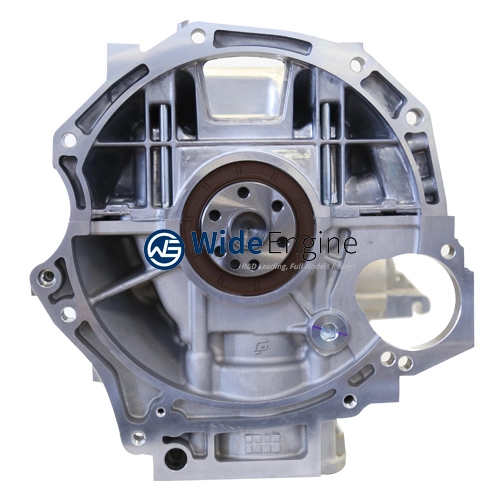
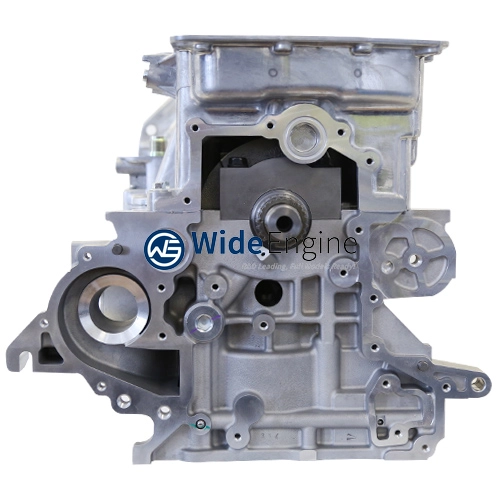
You may hear the term “short block” when you look for replacement parts for your engine. A short block is a partially assembled engine. It includes the lower section of the engine but does not come with cylinder heads or many external parts.
You get the engine block, crankshaft, connecting rods, and pistons. This setup gives you a strong foundation for rebuilding or upgrading your engine.
Many people think a short block is a complete engine. That is not true. You do not get a ready-to-run engine. You must add other parts, such as the cylinder head, oil pump, and timing components. You should know this difference before you buy. If you expect a full engine, you may face extra costs and delays.
Tip: Always check what comes with the short block. Sellers may include different parts, so read the details carefully.
Key Components Included
A short block usually contains these main parts:
- Engine block: This is the main structure that holds everything together.
- Crankshaft: This part turns the up-and-down motion of the pistons into rotation.
- Pistons: These move inside the cylinders to create power.
- Connecting rods: These link the pistons to the crankshaft.
Some short blocks may also include piston rings, main bearings, and cam bearings. You should ask the seller for a full list of included items. Not all short blocks are the same. You want to make sure you get the right parts for your engine.
A short block gives you a solid base for your project. You can save time because the main parts come pre-assembled. You also reduce the risk of mistakes during assembly. When you know what a short block is and what it includes, you make better choices for your engine build.
Define Your Engine Needs
Performance vs. Reliability
You need to decide what matters most for your engine. Some drivers want more power. Others care about long-lasting reliability. If you want to boost horsepower, you should look for a short block that supports high-performance parts.
These short blocks often use stronger materials. They handle higher stress and heat. You can push your engine harder without worrying about quick wear.
If you drive daily and want fewer repairs, focus on reliability. Choose a short block built for steady use. These usually have factory-style components. They may not give you extra power, but they last longer. You avoid frequent breakdowns and keep your engine running smoothly.
Tip: Write down your top priorities before you shop. This helps you pick the right short block for your needs.
Application and Use
Think about how you use your vehicle. Do you race at the track, tow heavy loads, or drive to work every day? Your answer will guide your short block choice. Racing engines need special features.
They must handle high RPMs and quick changes in speed. Towing engines need strong torque and durability. Daily drivers need balance between power and fuel economy.
You should match the short block to your vehicle’s main job. Ask sellers if their short block fits your application. Some short blocks work best for certain vehicles or uses. You can also check reviews from other buyers who use their engine the same way you do.
A clear plan makes your search easier. You avoid wasting money on the wrong short block. You also get better results from your engine project.
Research Sellers
Reputation Matters
You want to buy your short block from a trusted seller. A good reputation means the seller has helped many customers get the right engine for their needs. You can check reviews on websites and forums.
Look for feedback about shipping speed, product quality, and customer service. If you see many positive reviews, you can feel more confident about your choice.
Ask questions before you buy. Reliable sellers answer quickly and give clear information. They should know about engines and performance parts. You can also ask for photos or details about the short block. This helps you avoid surprises when your order arrives.
Tip: Choose sellers who have been in business for several years. Experience often means better service and fewer mistakes.
Warranty and Support
A strong warranty protects your investment. You should always check what kind of warranty comes with your short block. Some sellers offer a few months, while others give a year or more. Read the warranty terms carefully. Make sure you understand what is covered and what is not.
Support matters just as much as the warranty. If you have questions during installation, you want fast answers. Good sellers provide phone numbers or email addresses for support. They help you solve problems and make sure your engine works as expected.
You can use this checklist when you compare sellers:
- How long is the warranty?
- What does the warranty cover?
- Is support easy to reach?
- Do other buyers recommend this seller?
Choosing the right seller gives you peace of mind. You get a quality short block and support if you need it.
Compare Short Block Options
Price and Features
When you shop for a short block, you will see a wide range of prices. Some options cost less, but they may not include all the features you need. Others come with extra components or upgrades. You should look at what each short block offers for the price. Make a list of the features that matter most for your engine build.
Here is a simple way to compare:
| Option | Price | Included Features | Warranty |
|---|---|---|---|
| Short Block A | $2,000 | Pistons, rods, bearings | 1 year |
| Short Block B | $2,500 | Upgraded pistons, rings | 2 years |
| Short Block C | $1,800 | Basic components | 6 months |
Tip: Always check if the short block includes parts that match your engine’s needs. Some sellers add performance parts, while others stick to standard items.
Value for Money
You want the best value for your money. Do not focus only on the lowest price. Think about the quality of the engine and the parts you get. A cheap short block may save you money now, but it could cost more if you need repairs soon. High-quality components last longer and help your engine run better.
Ask yourself these questions:
- Does the short block fit your engine and driving style?
- Are the included parts reliable?
- Will you need to buy extra performance parts later?
A good value means you get a strong engine that meets your needs without hidden costs. Take your time to compare each option. Read reviews from other buyers. You will make a smarter choice and avoid problems down the road.
Check Compatibility
Vehicle and Engine Match
You must make sure the short block fits your specific vehicle and engine. Every car model has unique requirements. Even small differences in year or trim can affect compatibility. Start by checking your vehicle’s make, model, year, and engine code. Use your owner’s manual or look for a label under the hood. Write down this information before you shop.
Many problems happen when buyers skip this step. If you install a short block that does not match, you may face costly repairs or even damage your engine. Always ask the seller if the short block is designed for your exact vehicle. Some sellers provide charts or guides that list compatible models. Use these resources to double-check your choice.
Note: Never assume that a part will fit just because it looks similar. Small changes in design can make a big difference.
Using Verification Tools
Modern technology makes it easier to verify compatibility. Many engine shops use software tools to match parts with vehicles. You can use online databases or compatibility checkers on seller websites. These tools let you enter your vehicle details and see if the short block will work.
Follow these steps to use verification tools:
- Gather your vehicle’s information (make, model, year, engine code).
- Visit the seller’s website or a trusted engine parts database.
- Enter your details into the compatibility checker.
- Review the results and confirm the match.
If you feel unsure, contact the seller or a local mechanic. They can help you use these tools or answer questions about your engine. Taking time to verify compatibility protects your investment and helps your engine run smoothly.
Short Block Dimensions
Understanding short block dimensions helps you choose the right parts for your build. Each measurement affects how your engine performs and fits in your vehicle. Let’s look at the key dimensions you need to check.
Stroke
Stroke measures how far the piston travels up and down inside the cylinder. A longer stroke increases the engine’s displacement, which can boost torque. A shorter stroke often allows higher RPMs and quicker response. You should match the stroke to your driving goals. For towing or heavy loads, a longer stroke works well. For racing, a shorter stroke may give you better results.
Tip: Always check the stroke measurement before you buy a short block. This ensures you get the performance you want.
Rod Length
Rod length is the distance from the center of the crankshaft journal to the center of the piston pin. This measurement affects the engine’s balance and how the piston moves. Longer rods can reduce side loading on the cylinder walls, which may help with durability. Shorter rods can make the engine more compact but may increase wear. You should compare rod lengths when you look at different short blocks.
Piston Compression Height
Piston compression height is the distance from the center of the piston pin to the top of the piston. This number helps determine the engine’s compression ratio. A higher compression ratio can improve power and efficiency, but it may require higher-octane fuel. You need to make sure the piston compression height matches your other parts to avoid problems.
Block Deck Height
Block deck height is the distance from the crankshaft centerline to the top of the engine block. This measurement affects how all the other parts fit together. If the deck height is too tall or too short, you may have trouble with head gaskets or intake alignment. Always confirm the deck height when you select a short block.
| Dimension | What It Affects | Why It Matters |
|---|---|---|
| Stroke | Displacement, torque | Matches driving needs |
| Rod Length | Balance, durability | Impacts engine wear |
| Piston Compression Height | Compression ratio | Affects power and fuel choice |
| Block Deck Height | Part fitment | Ensures proper assembly |
Checking these dimensions helps you avoid costly mistakes and build a reliable engine.
Inspect Components
Internal Parts Quality
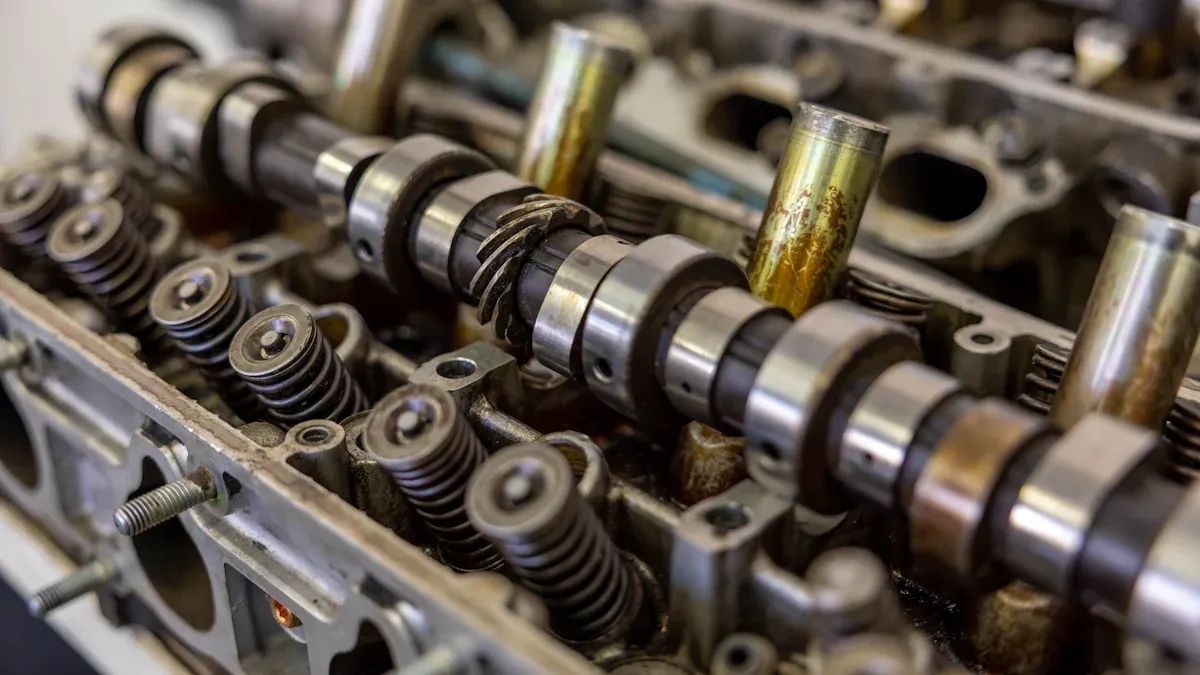
You should always check the quality of the internal parts before you buy a short block. High-quality parts help your engine last longer and perform better. Look for forged or billet components if you want more strength. Cast parts work well for daily driving, but they may not handle high stress. Ask the seller about the materials used for the crankshaft, rods, and pistons. Reliable sellers provide details about the brands and manufacturing processes.
You can also look for signs of precision machining. Smooth surfaces and tight tolerances show good craftsmanship. If you see rough edges or uneven finishes, you might face problems later. Some sellers offer photos or videos of the assembly process. These can help you judge the care taken during construction.
Tip: Request documentation or proof of quality control. This can include inspection reports or certificates from the manufacturer.
Included Items
Every short block comes with a different set of parts. You need to know exactly what you are getting. Some short blocks include piston rings, main bearings, and cam bearings. Others may only have the basic block, crankshaft, rods, and pistons. Make a checklist of the items you expect.
Here is a sample checklist:
- Engine block
- Crankshaft
- Pistons
- Connecting rods
- Piston rings
- Main bearings
- Cam bearings
Compare this list with the seller’s description. If something is missing, ask before you buy. You avoid surprises and extra costs by confirming the included items. A clear list helps you plan the rest of your build and ensures you have all the parts you need.
Confirm Piston and Rod Pairing
Correct Combinations
You need to make sure the pistons and rods in your short block work well together. Each piston and rod set must match in size and design. The piston pin diameter, rod length, and piston compression height all play a role. If you use the wrong combination, you can cause damage or poor performance.
Check the specifications for both the pistons and rods. Use a table or checklist to compare the measurements. Here is an example:
| Part | Measurement Needed |
|---|---|
| Piston | Pin diameter, height |
| Rod | Length, pin size |
Ask the seller for detailed specs if you do not see them listed. You can also look for part numbers on the components. Matching these numbers helps you confirm the correct pairing.
Tip: Always double-check the specs before you install the parts. This step saves you time and money.
Avoiding Mismatches
Mismatched pistons and rods can lead to serious problems. You might see engine noise, low power, or even failure. To avoid this, follow these steps:
- Gather all part numbers and measurements.
- Compare them with the manufacturer’s recommendations.
- Use online tools or guides to verify compatibility.
- Ask a trusted mechanic if you feel unsure.
You should never guess when pairing these parts. Even a small difference in size can cause issues. If you notice any doubts, stop and check again. Careful pairing keeps your engine running smoothly and helps you avoid costly repairs.
Conclusion
You should always double-check every measurement and confirm compatibility before you buy a short block. Careful research helps you find trustworthy sellers and compare the best options. Do not forget to review warranty and support details.
Use these tips to make a smart, confident purchase and build an engine that fits your needs.



