






The main difference between long block and short block engines comes down to the number of assembled parts included. A short block is the lower part of the engine, usually made up of the engine block, crankshaft, pistons, and connecting rods. A long block contains all the short block parts, plus cylinder heads, camshafts, and the valvetrain. Each option offers a different level of assembly and readiness for installation.
Short Block Overview

What is a short block?
A short block is a partially assembled engine that includes the main rotating parts but leaves out the upper components. This type of engine assembly provides the foundation for building a complete engine. Mechanics and car owners often choose a short block when they want to reuse some of their existing engine parts, such as cylinder heads or timing components. The short block engine is a popular choice for those who need to repair or upgrade the lower section of their engine without replacing everything.
Short block components
A short block contains several key parts that are essential for the engine’s operation. These components work together to convert fuel into motion.
Engine block
The engine block forms the main structure of the engine. It houses the cylinders, which are the spaces where the pistons move up and down. The engine block also provides mounting points for other engine parts. Its strength and design are important for the engine’s durability and performance.
Crankshaft
The crankshaft sits inside the engine block and connects to the pistons through connecting rods. As the pistons move, the crankshaft turns this up-and-down motion into rotational motion. This rotation eventually powers the vehicle’s wheels. The crankshaft must be strong and precisely balanced to ensure smooth engine operation.
Pistons and rods
Pistons fit tightly inside the cylinders and move up and down as the engine runs. Connecting rods link each piston to the crankshaft. Together, pistons and rods transfer the force from burning fuel to the crankshaft. This process is what creates the power needed to move the vehicle.
Tip: When replacing a short block, always check the condition of your existing cylinder heads and other upper engine parts to ensure compatibility.
Common uses for short block
People often choose a short block when the lower part of the engine is damaged, but the upper parts are still in good shape. This option is common in situations where the engine has suffered from a broken piston, worn crankshaft, or damaged engine block. Performance enthusiasts may also select a short block to upgrade the bottom end of their engine for more strength or higher power. A short block can save money and time because it allows reuse of many existing engine components. It is a practical solution for both repairs and performance builds.
Long Block Overview
What is a long block?
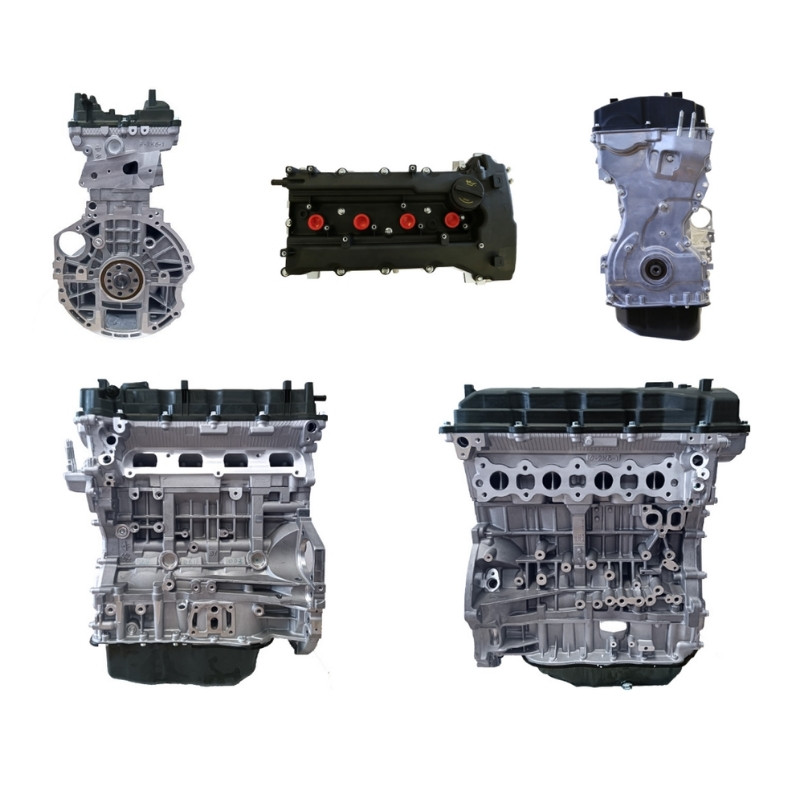
A long block is a more complete engine assembly than a short block. It includes all the main lower engine parts, plus the upper components needed for the engine to function. This type of engine comes pre-assembled with both the bottom end and the top end. Mechanics often choose a long block when they want a faster and easier installation process. The long block engine reduces the need for extra assembly work because it arrives with many critical parts already in place.
Long block components
A long block contains several important parts that work together to make the engine run smoothly and efficiently.
Includes short block parts
The long block always includes the same parts found in a short block. These are the engine block, crankshaft, pistons, and connecting rods. These components form the foundation of the engine and handle the main forces created during operation.
Cylinder heads
Cylinder heads sit on top of the engine block. They seal the cylinders and create the space where air and fuel mix before combustion. Cylinder heads also hold the intake and exhaust valves. These parts control the flow of air and gases in and out of the engine. Good cylinder heads help the engine produce more power and run more efficiently.
Camshafts and valvetrain
The camshafts and valvetrain are key parts of the long block. Camshafts open and close the valves at the right time during each engine cycle. The valvetrain includes the valves, springs, and other small parts that help control this movement. Together, these components make sure the engine breathes properly and operates smoothly.
Note: A long block engine does not always include external parts like the intake manifold, exhaust manifold, or fuel system. These parts may need to be transferred from the old engine or purchased separately.
Common uses for long block
A long block is a popular choice when both the lower and upper parts of the engine are worn out or damaged. Many people select a long block when they want a reliable replacement that saves time on assembly. This option is also useful for those who do not want to reuse old cylinder heads or valvetrain parts. A long block can help reduce the risk of future engine problems because it comes with new or remanufactured components. It is often used in situations where a complete engine rebuild is needed, but without the extra cost and complexity of a full crate engine. Mechanics and car owners appreciate the convenience and peace of mind that a long block provides.
Difference Between Long Block and Short Block
Components comparison
The difference between long block and short block starts with the parts included in each engine assembly. A short block contains the basic lower engine parts. A long block adds more components to create a more complete engine.
| Component | Short Block | Long Block |
|---|---|---|
| Engine block | ✅ | ✅ |
| Crankshaft | ✅ | ✅ |
| Pistons & rods | ✅ | ✅ |
| Cylinder heads | ❌ | ✅ |
| Camshafts | ❌ | ✅ |
| Valvetrain | ❌ | ✅ |
A short block includes only the engine block, crankshaft, pistons, and rods. A long block contains all these parts plus cylinder heads, camshafts, and the valvetrain. This difference between long block and short block affects how much work is needed to finish the engine assembly.
Note: The long block does not usually include external parts like the intake manifold or exhaust manifold. These must be added separately.
Assembly and installation
The assembly process for each engine type is different. A short block requires more steps to complete the engine. You must install cylinder heads, camshafts, and the valvetrain. This means you need extra tools and skills. Mechanics often use a short block when they want to reuse parts from the old engine.
A long block arrives with most parts already installed. You only need to add a few external components. This makes the installation faster and easier. Many people choose a long block when they want to save time and reduce the risk of mistakes during engine assembly.
- Short block installation steps:
- Attach cylinder heads.
- Install camshafts and valvetrain.
- Add external parts.
- Long block installation steps:
- Add external parts.
- Connect to vehicle systems.
The difference between long block and short block becomes clear during assembly. A long block offers a simpler process, while a short block gives more flexibility for custom builds.
Performance and reliability
Performance and reliability depend on the parts used and the quality of the engine assembly. A short block lets you choose your own cylinder heads and valvetrain. This can help you build a custom engine for higher performance. You can match parts to your needs and goals.
A long block provides a balanced engine with matched components. This improves reliability because the parts are designed to work together. Many people prefer a long block when they want a dependable engine with fewer risks. The difference between long block and short block also affects how much control you have over performance upgrades.
Tip: If you want to build a high-performance engine, a short block gives more options for custom parts. If you need a reliable engine for daily use, a long block is often the better choice.
Cost factors
Cost is a major consideration when choosing between a short block and a long block. The price difference comes from the number of parts included and the amount of assembly required.
A short block usually costs less up front. It contains fewer parts and requires more work to complete the engine. You may need to buy or reuse cylinder heads, camshafts, and other upper engine parts. Labor costs can increase if you pay a mechanic to assemble these components. If you already have good upper engine parts, a short block can save money.
A long block has a higher initial price. It comes with more parts pre-installed, which reduces the time and effort needed for assembly. This option can lower labor costs because the engine is closer to being ready for installation. You may also save money in the long run by avoiding problems that come from mixing old and new parts.
Here is a simple comparison of cost factors:
| Factor | Short Block | Long Block |
|---|---|---|
| Initial purchase price | Lower | Higher |
| Labor costs | Higher (more assembly) | Lower (less assembly) |
| Parts included | Fewer | More |
| Risk of extra expenses | Higher (old parts may fail) | Lower (more new parts) |
Tip: Always check the condition of your existing engine parts before deciding. Reusing worn or damaged parts can lead to more repairs and higher costs later.
Pros and Cons of Short Blocks
Short block advantages
Choosing a short block offers several benefits for vehicle owners and mechanics. This option provides flexibility and cost savings. Many people prefer it when they want to customize their engine or reuse existing parts.
- Cost-effective solution: A short block usually costs less than a more complete engine assembly. Owners can save money by reusing cylinder heads and other upper components if they are still in good condition.
- Customization potential: Builders can select their own cylinder heads, camshafts, and valvetrain. This allows for performance upgrades or specific tuning to match driving needs.
- Reduced waste: Reusing parts from the original engine helps minimize waste. It is a practical choice for those who want to keep as many original components as possible.
- Availability: Short blocks are widely available for many vehicle models. Mechanics can often find the right fit without waiting for special orders.
- Ideal for partial repairs: When only the lower section of the engine is damaged, a short block makes repairs easier. There is no need to replace the entire engine.
Tip: If you have experience with engine assembly, a short block gives you more control over the final build. You can select parts that match your goals for performance or reliability.
Short block disadvantages
While a short block has clear advantages, it also presents some challenges. Owners should consider these drawbacks before making a decision.
- More assembly required: Installing a short block means extra work. Mechanics must add cylinder heads, camshafts, and the valvetrain. This increases labor time and may require special tools.
- Risk of mismatched parts: Using old components with a new short block can lead to compatibility issues. If parts do not fit together perfectly, engine performance may suffer.
- Potential for hidden damage: Reusing existing parts carries risks. If cylinder heads or other reused components have unseen damage, engine reliability may decrease.
- Higher labor costs: The extra steps needed to complete the engine can raise labor expenses. Those without experience may need professional help, which adds to the total cost.
- Limited warranty coverage: Some manufacturers offer less warranty protection for short blocks. This is because reused parts may affect overall engine performance.
| Advantage | Disadvantage |
|---|---|
| Lower initial cost | More assembly needed |
| Customization options | Risk of mismatched parts |
| Reduced waste | Potential hidden damage |
| Wide availability | Higher labor costs |
| Good for partial repairs | Limited warranty coverage |
Note: Always inspect reused parts carefully. Hidden damage can cause problems after installation and may lead to costly repairs.
Pros and Cons of Long Blocks
Long block advantages
A long block offers several benefits for vehicle owners and mechanics. This type of assembly comes with more parts already installed, which makes the process easier and faster. Many people choose a long block when they want a reliable solution.
- Simplified installation: Most of the internal parts are already assembled. Mechanics only need to add a few external components. This reduces the chance of mistakes during installation.
- Matched components: The cylinder heads, camshafts, and valvetrain are designed to work together. This helps the engine run smoothly and improves reliability.
- Time-saving: The assembly process takes less time. Owners can get their vehicles back on the road faster.
- Lower risk of compatibility issues: All included parts fit together perfectly. There is less worry about mismatched parts causing problems.
- Better warranty coverage: Manufacturers often provide longer warranties for long blocks. This gives owners peace of mind.
Tip: If you want a dependable engine with minimal assembly, a long block is a smart choice.
Here is a table that summarizes the main advantages:
| Advantage | Description |
|---|---|
| Simplified installation | Fewer steps, less chance of errors |
| Matched components | Parts designed to work together |
| Time-saving | Faster assembly and installation |
| Lower compatibility risk | All parts fit together |
| Better warranty | Longer coverage from manufacturers |
Long block disadvantages
While a long block has many strengths, there are some drawbacks to consider. Owners should weigh these disadvantages before making a decision.
- Higher initial cost: A long block costs more than a short block. The extra parts and assembly increase the price.
- Less customization: The included cylinder heads and valvetrain limit options for performance upgrades. Builders who want a custom engine may find fewer choices.
- Potential for unused parts: If you have good upper engine parts, you may not need all the new components. This can lead to waste.
- Limited flexibility: The assembly is mostly fixed. Mechanics cannot easily swap out parts for different specifications.
- Shipping and handling: A long block is heavier and larger. Transporting it may require special equipment.
Note: Consider your needs before choosing a long block. If you want to customize your engine or reuse existing parts, a short block may be better.
| Disadvantage | Description |
|---|---|
| Higher initial cost | More expensive than short block |
| Less customization | Fewer options for upgrades |
| Potential unused parts | May not need all included components |
| Limited flexibility | Harder to change parts |
| Shipping challenges | Heavier and harder to move |
Mechanics and owners must decide which option fits their situation. A long block works well for those who value convenience and reliability. Others may prefer more flexibility and lower costs.
Choosing Long Block or Short block: Key Factors to Consider
Budget
Cost plays a big role in engine selection. A short block usually has a lower price tag. This option works well for those who want to save money and already have good upper engine parts. A long block costs more because it includes more components and comes closer to a complete engine. If you want to avoid extra expenses from buying separate parts or paying for more labor, the higher upfront cost of a long block may be worth it.
Skill level
Your experience with engine work matters. Installing a short block requires more mechanical skill. You need to assemble the upper engine parts and make sure everything fits together. This can be a challenge for beginners. A long block is easier to install because most of the assembly is already done. If you have less experience or want a simpler process, a long block is a safer choice.
Time and convenience
Time is valuable, especially if you need your vehicle running soon. A short block takes longer to assemble and install. You must gather parts, check for compatibility, and complete more steps. A long block saves time because it arrives with more parts in place. This option is convenient for those who want a faster repair or rebuild.
Engine condition
The state of your current engine affects your decision. If only the lower part of the engine is damaged, a short block can solve the problem without replacing everything. If both the lower and upper parts show wear or damage, a long block is a better solution. This choice reduces the risk of future breakdowns and gives you a fresh start with new or remanufactured parts.
Tip: Always inspect your existing engine parts before making a final decision. This step can prevent unexpected problems and extra costs.
FAQ
What is the main difference between a long block and a short block?
A long block includes more engine parts, such as cylinder heads and the valvetrain. A short block only has the lower engine components. This difference affects assembly time, cost, and how much work is needed to finish the engine.
Can I upgrade performance with a short block?
Yes. A short block lets you choose your own cylinder heads and valvetrain. This flexibility helps you build a custom engine for higher horsepower or specific driving needs.
Is a long block easier to install than a short block?
A long block is easier to install. Most of the engine assembly is already done. You only need to add a few external parts, which saves time and reduces the chance of mistakes.
When should I choose a short block over a long block?
Choose a short block if your upper engine parts are still in good condition. This option works well for repairs or custom builds where you want to reuse or upgrade certain components.
Do long blocks come with all engine parts?
No. A long block includes the main internal parts, but not external items like the intake manifold, exhaust manifold, or fuel system. You may need to transfer these from your old engine.
Which option is more cost-effective?
A short block usually costs less up front. However, if you need many new parts or extra labor, a long block might save money in the long run by reducing assembly time and risk of part failure.
Are long block and short block engines covered by warranty?
Most long blocks come with better warranty coverage because they include more new or remanufactured parts. Short blocks may have limited warranties, especially if you reuse old components.
Can I install a long block or short block myself?
You can install either if you have the right tools and skills. A long block is simpler for beginners. A short block requires more mechanical knowledge and careful assembly of upper engine parts.



