






The cylinder block and cylinder head are two main parts that keep an engine running. The cylinder block forms the sturdy base where the engine makes power. The cylinder head sits on top and controls the flow of air, fuel, and exhaust. Think of the block as the foundation of a house and the head as the roof that manages everything inside. Knowing the difference helps anyone who wants to maintain or repair a car engine.
What Is a Cylinder Block?
Definition and Location
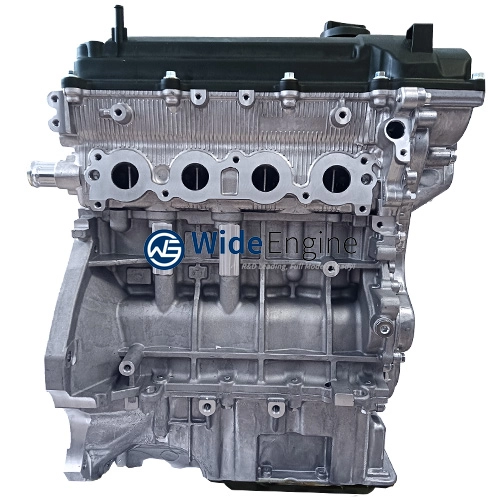
The cylinder block is the main body of an engine. It sits at the bottom of the engine and forms the base for all other parts. Most people see it as a large, solid piece of metal with holes for the cylinders. These cylinders are where the pistons move up and down. The block connects to the car’s frame and supports the rest of the engine.
Main Functions
The cylinder block has several important jobs:
- It holds the cylinders in place.
- It keeps the moving parts, like pistons and crankshaft, lined up.
- It helps cool the engine by allowing coolant to flow through special passages.
- It supports the engine’s weight and keeps everything steady.
Key Components (Pistons, Crankshaft, Bearings)
Inside the cylinder block, you will find the pistons, crankshaft, and bearings. The pistons move up and down inside the cylinders. The crankshaft turns this up-and-down motion into spinning motion that powers the car. Bearings help these parts move smoothly and reduce friction. All these parts work together to make the engine run.
| Component | Function |
|---|---|
| Pistons | Move up and down in the cylinders |
| Crankshaft | Changes piston motion into rotation |
| Bearings | Reduce friction and support movement |
Role in Engine Power
The cylinder block plays a big role in making engine power. When fuel burns inside the cylinders, it pushes the pistons down. This force travels through the crankshaft and turns into power for the wheels. The block must be strong to handle the pressure and heat from this process. Without a solid cylinder block, the engine could not make or deliver power.

What Is a Cylinder Head?
Definition and Placement
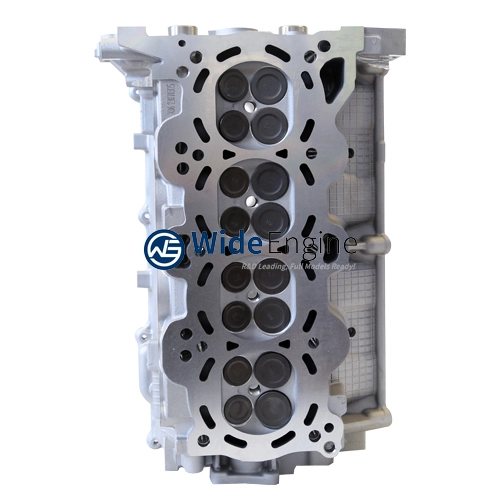
The cylinder head is a vital part of every engine. It sits on top of the cylinder block, forming the upper seal for the engine’s cylinders. The head covers the cylinders and creates a closed space where fuel burns. Most cylinder heads are made from strong metals like aluminum or cast iron. The head attaches tightly to the block with bolts and a gasket, which prevents leaks.
Main Functions
The cylinder head performs several important tasks:
- It seals the top of the cylinders to keep pressure inside.
- It allows air and fuel to enter the engine.
- It lets exhaust gases exit after combustion.
- It holds parts that help ignite the fuel.
Key Components (Valves, Valvetrain, Spark Plugs)
Inside the cylinder head, you will find several key components. Each part has a special job:
| Component | Purpose |
|---|---|
| Valves | Control air/fuel intake and exhaust exit |
| Valvetrain | Moves the valves at the right time |
| Spark Plugs | Ignite the air-fuel mixture |
Valves open and close to let air and fuel in and push exhaust out. The valvetrain includes rocker arms, lifters, and camshafts that move the valves. Spark plugs create a spark that starts combustion.
Role in Air, Fuel, and Exhaust Flow
The cylinder head manages how air and fuel enter the engine and how exhaust leaves. It has passages called ports that guide these flows. When the engine runs, the head’s valves open and close quickly. This action controls the timing and amount of air and fuel entering each cylinder. After combustion, the exhaust valves open to let gases escape.
A well-designed cylinder head improves engine efficiency and performance. It helps the engine use fuel better and produce more power. If the head does not work properly, the engine may lose power or run poorly.
Cylinder Block vs Cylinder Head Comparison
Function Differences
The cylinder block and cylinder head have different jobs in an engine. The cylinder block acts as the main support. It holds the cylinders, pistons, and crankshaft. This part creates the space where power is made. The cylinder head sits above the block. It controls how air and fuel enter the engine and how exhaust leaves. The head also seals the top of the cylinders. Both parts work together, but each has a unique role.
Location and Structure
The cylinder block forms the lower part of the engine. It is usually made from cast iron or aluminum. This part is heavy and strong. The block contains holes for the cylinders and passages for coolant. The cylinder head sits on top of the block. It is lighter and has a more complex shape. The head contains small passages for air, fuel, and exhaust. It also holds the spark plugs and valves.
| Part | Location | Structure |
|---|---|---|
| Cylinder Block | Bottom of engine | Large, sturdy, simple |
| Cylinder Head | Top of block | Smaller, complex, precise |
Key Components Compared
The cylinder block and cylinder head contain different parts. The block holds the pistons, crankshaft, and bearings. These parts move and create power. The head contains valves, spark plugs, and the valvetrain. These parts control the flow of air, fuel, and exhaust.
- Cylinder Block Components:
- Pistons
- Crankshaft
- Bearings
- Cylinder Head Components:
- Valves
- Spark plugs
- Valvetrain
Each part is important. The block’s components make the engine move. The head’s components help the engine breathe and burn fuel.
Interdependence and Engine Design Flexibility
The cylinder block and cylinder head must work together. If one part fails, the engine cannot run well. For example, a crack in the block can cause leaks and loss of power. A damaged head can lead to poor fuel burning or exhaust problems. The separation of these parts gives engineers more choices. They can design engines with different numbers of cylinders or change the shape of the head for better performance. This flexibility helps car makers build engines for many needs.
Common Issues and Maintenance
Both the cylinder block and cylinder head can have problems. The block may crack or wear out over time. This can cause oil or coolant leaks. The head may warp or develop leaks at the gasket. This can lead to loss of compression or mixing of oil and coolant. Regular maintenance helps prevent these issues. Checking for leaks, keeping coolant levels right, and replacing worn parts can keep both the block and head working well.
| Issue | Cylinder Block | Cylinder Head |
|---|---|---|
| Cracks | Yes | Sometimes |
| Warping | Rare | Common |
| Gasket Failure | Yes | Yes |
| Oil/Coolant Leaks | Yes | Yes |
How They Work Together
Sealing and Compression
The cylinder block and cylinder head must fit together perfectly. This connection forms a tight seal at the top of the engine’s cylinders. A special gasket sits between the block and the head. This gasket prevents leaks of air, fuel, oil, and coolant. When the engine runs, the pistons move up and down inside the cylinders. The sealed space above each piston is where the fuel burns.
A good seal is important for engine compression. Compression means squeezing the air and fuel mixture into a small space before it burns. High compression helps the engine make more power and run smoothly. If the seal between the block and head fails, the engine loses compression. This can cause problems like hard starting, rough running, or loss of power.
Impact on Engine Performance
The teamwork between the cylinder block and cylinder head affects how well the engine works. The block provides a strong base for the moving parts. The head controls the flow of air, fuel, and exhaust. Together, they create the right conditions for burning fuel and making power.
Here are some ways their teamwork impacts performance:
- Power Output: A strong seal and good compression help the engine produce more power.
- Fuel Efficiency: Proper airflow and tight sealing let the engine use fuel more efficiently.
- Smooth Operation: When both parts work well together, the engine runs quietly and with less vibration.
- Reliability: Good sealing prevents leaks and reduces the chance of engine damage.
| Feature | Block & Head Working Well | Block & Head Not Sealing |
|---|---|---|
| Power | High | Low |
| Fuel Efficiency | Good | Poor |
| Engine Noise | Low | High |
| Risk of Damage | Low | High |
Conclusion
- The cylinder block forms the engine’s base and holds moving parts that create power.
- The cylinder head sits above the block and manages air, fuel, and exhaust flow.
- Both parts must work together for the engine to run smoothly.
- Regular checks of the block and head help prevent problems and keep your car reliable.



