






Want your engine to run smoother and last longer? Learning how to clean cylinder head can make a big difference. Dirt, carbon, and old gasket material can block airflow and reduce power.
Regular cleaning keeps your engine healthy and reliable. Many car enthusiasts enjoy doing this job themselves. You do not need to be a professional mechanic to get great results.

Tools and Materials
Before starting the cleaning process, gather all the necessary tools and materials. Having everything ready will make the job smoother and safer.
Hand tools
You will need several basic hand tools for this task. These tools help you remove the cylinder head and clean it properly.
- Socket set with ratchet and extensions
- Torque wrench
- Screwdrivers (flathead and Phillips)
- Plastic scraper or razor blade
- Wire brush (brass or nylon)
- Pick set or small brushes for tight spots
Tip: Use a plastic scraper instead of metal to avoid scratching the cylinder head surface.
Cleaning products
The right cleaning products make a big difference. They help break down grease, carbon, and old gasket material.
- Engine degreaser or brake cleaner
- WD-40 or similar penetrating oil
- White vinegar or lemon juice (for soaking stubborn deposits)
- Easy Off oven cleaner (for heavy carbon buildup)
- Powdered Tide or dish soap (for soaking parts)
- Scotch-Brite pads or non-scratch scrubbers
- Clean rags or shop towels
| Product | Use Case |
|---|---|
| Engine Degreaser | Removes oil and grease |
| Oven Cleaner | Breaks down carbon |
| Scotch-Brite Pad | Scrubs surfaces safely |
Safety gear
Safety should always come first. Cleaning chemicals and sharp tools can be dangerous if you do not protect yourself.
- Nitrile or latex gloves
- Safety glasses or goggles
- Dust mask or respirator (when using strong chemicals)
- Long sleeves and pants
Note: Always work in a well-ventilated area to avoid breathing in fumes from cleaners.
Having the right tools and safety gear will help you clean the cylinder head efficiently and avoid accidents. Take time to prepare before you begin.
Step-by-Step to Clean Cylinder Head
Removal and prep
Start by disconnecting the battery. Drain the coolant and remove the intake and exhaust manifolds. Use a socket set to loosen the bolts in the correct sequence.
Lift the cylinder head off the engine block. Place it on a sturdy workbench. Lay out all bolts and parts in order. This helps you remember where each piece goes during reassembly.
Tip: Take photos as you work. These pictures can help you put everything back together later.
Inspect for damage
Look closely at the cylinder head. Check for cracks, warping, or corrosion. Use a straightedge to check for flatness. Examine the valve seats and combustion chambers.
If you see deep scratches or pitting, the head may need professional repair. Inspect the gasket surface for burnt-on residue. Make sure there are no missing pieces or broken parts.
Scraping gasket material
Old gasket material often sticks to the cylinder head. Use a plastic gasket scraper or a razor blade to remove burnt-on gasket material. Work slowly to avoid scratching the metal.
Hold the scraper at a shallow angle. If you find stubborn spots, spray a little WD-40 and let it soak for a few minutes. Wipe away the loosened debris with a clean rag.
| Tool | Use Case |
|---|---|
| Plastic scraper | Removes soft gasket material |
| Razor blade | Cuts through tough residue |
| WD-40 | Loosens stuck-on debris |
Note: Never use a steel scraper. It can scratch the surface and cause sealing problems.
Cleaning surfaces and chambers
Apply engine degreaser to the cylinder head surfaces. Let it sit for several minutes. Scrub with a Scotch-Brite pad to clean cylinder head areas without scratching. For heavy carbon deposits, spray Easy Off oven cleaner and wait ten minutes.
Wipe away the residue. Use white vinegar or lemon juice to soak parts with baked on oil. Powdered Tide mixed with hot water can help remove baked on oil from combustion chambers. Rinse all parts with clean water. Dry thoroughly with shop towels.
- Use a non-scratch pad for aluminum heads.
- Avoid wire brushes on soft metals.
- Clean cylinder head surfaces until they shine.
Cleaning bolt holes
Bolt holes often trap oil and dirt. Spray brake cleaner into each hole. Use a pick or small brush to clean cylinder head bolt holes. Blow out any remaining debris with compressed air. Make sure each hole is dry before reassembly. This step helps bolts tighten properly and prevents leaks.
Preventing debris
Keep the work area clean. Cover open engine parts with clean towels. Avoid dropping debris into oil passages or coolant channels. If you use a dishwasher to clean cylinder head parts, run a rinse cycle afterward to remove any leftover cleaning agents.
Boiling parts in water with degreaser or lemon juice can help dissolve stubborn deposits. Always rinse and dry parts completely before reassembly.
Safety Alert: Wear gloves and goggles when using chemicals. Work in a well-ventilated space to avoid breathing fumes.
Cleaning each part carefully helps restore engine performance. Take your time and use the right tools for every step. This process will help you clean cylinder head and keep your engine running strong.
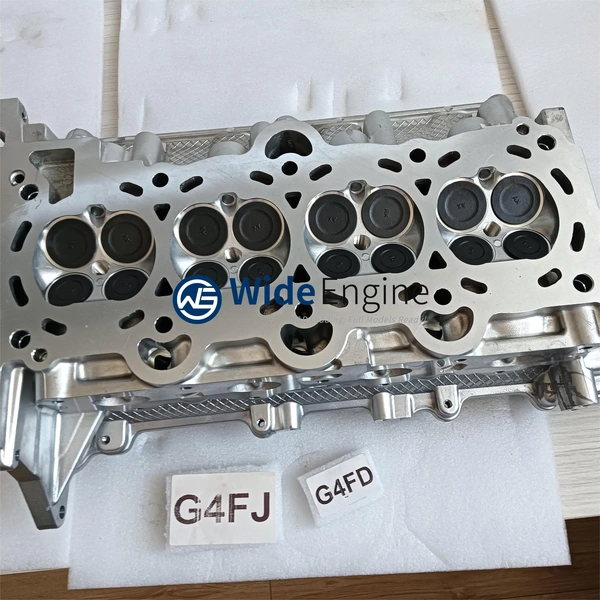
Cleaning Methods and Products
Mechanical techniques
Mechanical techniques use physical force to remove dirt and carbon. Common tools include plastic scrapers, razor blades, wire brushes, and Scotch-Brite pads.
These tools work well for scraping off old gasket material and surface grime. Plastic scrapers protect aluminum heads from scratches. Razor blades cut through tough residue but require careful handling. Wire brushes clean steel parts but may damage softer metals.
Pros:
- Quick removal of visible debris
- No need for harsh chemicals
- Good control over pressure and area
Cons:
- Risk of scratching surfaces
- May not reach deep deposits
- Can be tiring for large areas
Tip: Use light pressure and check your progress often to avoid damaging the cylinder head.
Chemical solutions
Chemical solutions break down grease, oil, and carbon deposits. Popular products include engine degreaser, brake cleaner, Easy Off oven cleaner, and white vinegar.
These chemicals soak into stubborn buildup and loosen it for easy removal. Oven cleaner works well on heavy carbon but must be rinsed thoroughly. Vinegar and lemon juice help dissolve baked-on oil without harsh fumes.
| Chemical | Best Use | Precautions |
|---|---|---|
| Engine Degreaser | Oil and grease removal | Ventilate area |
| Oven Cleaner | Carbon deposits | Wear gloves, rinse |
| Vinegar/Lemon | Light deposits | Avoid long soaking |
Pros:
- Effective on tough deposits
- Reduces manual effort
- Reaches small crevices
Cons:
- Can be hazardous if misused
- May require extra rinsing
- Some chemicals damage paint or seals
Tips for tough deposits
Tough deposits need extra attention. Soak parts in hot water with powdered Tide or dish soap to loosen baked-on oil. Use a Scotch-Brite pad for scrubbing without scratching.
For deep carbon, apply oven cleaner and let it sit before wiping. Boiling parts in water with degreaser or lemon juice helps dissolve stubborn grime. Always rinse and dry parts after cleaning.
Note: Test chemicals on a small area first to avoid damage.
Choosing the right cleaning method depends on the type of deposit and cylinder head material. Mechanical techniques suit light buildup, while chemical solutions tackle heavy grime. Combine both for best results.
Safety and Final Checks
Avoiding damage
Protecting the cylinder head during cleaning is important. Scratches or dents can cause leaks and poor engine performance. Always use soft tools like plastic scrapers and non-scratch pads. Metal tools may leave marks on aluminum surfaces.
Chemicals can also harm the cylinder head if used incorrectly. Read the label before applying any cleaner. Wear gloves and goggles to shield your skin and eyes from splashes.
Tip: Test each cleaning product on a small area first. This helps you avoid unexpected damage.
Keep the work area organized. Place bolts and small parts in labeled containers. Cover open engine passages with clean towels. This prevents debris from falling inside.
Checking cleanliness
A clean cylinder head improves engine function. Inspect all surfaces after cleaning. Look for leftover oil, carbon, or gasket material. Use a bright flashlight to check tight spaces. Run a clean rag over the surface. If the rag picks up dirt, repeat the cleaning process.
Checklist for cleanliness:
- Combustion chambers are free of carbon
- Gasket surfaces are smooth and shiny
- Bolt holes contain no oil or debris
- Water and oil passages are clear
Note: Cleanliness helps new gaskets seal properly and prevents future leaks.
Ensuring flatness
Flatness is key for a good seal. Place a straightedge across the cylinder head surface. Slide a feeler gauge under the straightedge at several points. If the gap is larger than the manufacturer’s limit, the head may need machining.
| Tool | Purpose |
|---|---|
| Straightedge | Checks surface level |
| Feeler gauge | Measures tiny gaps |
Repeat this check on all sides. Warped cylinder heads can cause coolant leaks and loss of compression. If you find uneven spots, consult a machine shop for repair.
Safety Alert: Never skip the flatness check. It protects your engine from costly damage.
Performance Benefits
Improved compression
A clean cylinder head helps the engine create strong compression. Compression is the force that pushes the piston up and down. When carbon and dirt build up, the cylinder head cannot seal tightly. This weak seal causes air to leak past the head gasket.
The engine loses power and runs rough. Cleaning the cylinder head removes old deposits. The surface becomes smooth and flat. The head gasket can seal tightly against the metal. The engine builds more pressure in each cylinder. This pressure helps the engine start quickly and run smoothly.
Benefits of improved compression:
- Faster engine starts
- More horsepower
- Better fuel efficiency
- Smoother idle
A clean cylinder head and a fresh head gasket work together to keep compression high.
Preventing engine issues
Cleaning the cylinder head prevents many engine problems. Dirt and carbon can block oil and coolant passages. Blocked passages cause overheating and poor lubrication.
Overheating can damage the head gasket and other engine parts. Oil leaks may appear if the head gasket cannot seal properly. Regular cleaning keeps these passages open. The engine stays cool and well-lubricated. The head gasket lasts longer and protects the engine from leaks.
| Problem | Cause | Solution |
|---|---|---|
| Overheating | Blocked coolant passage | Clean cylinder head |
| Oil leaks | Poor gasket seal | Replace head gasket |
| Loss of power | Weak compression | Clean and inspect head |
Cleaning the cylinder head is a simple way to avoid costly repairs and keep your engine running strong.
Conclusion
Cleaning the cylinder head removes stubborn residue and improves engine health. Always wear safety gear and use the right tools to avoid damage. Check for gasket residue and clean all surfaces until no residue remains.
Dry each part to prevent new residue from forming. For best results, inspect your work with a flashlight. A clean cylinder head boosts compression and keeps your engine running smoothly.
Tip: Take your time and double-check for hidden residue before reassembly.



