







When an engine suffers serious internal damage, replacing the entire engine is not always the only answer. For many vehicle owners, repair shops, fleet operators, and engine parts buyers, a long block replacement can be a more practical and cost-effective repair solution.
Instead of rebuilding every damaged internal part one by one or buying a complete engine with many extra accessories, a long block replacement focuses on replacing the damaged core engine assembly. This allows many usable external components from the original engine to be reused, helping reduce repair costs and shorten downtime.
What Does Long Block Replacement Mean in Engine Repair?
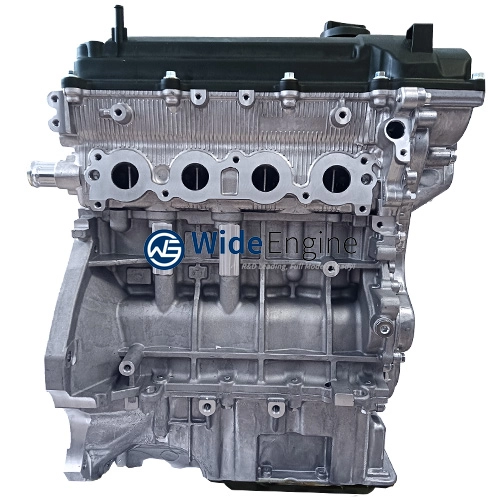
A long block replacement means removing the damaged core engine assembly and installing a replacement long block to restore engine operation. It is commonly used when the internal engine damage is too serious for minor repair, but many external accessories are still in good condition.
The focus of long block replacement is not to replace every single part around the engine. Instead, it replaces the main mechanical assembly that is responsible for compression, combustion, and power generation. External parts such as the turbocharger, alternator, starter, fuel injectors, manifolds, wiring, and sensors may be transferred from the old engine if they are still usable.
This is why long block replacement is often considered a middle-ground repair solution. It is more complete and reliable than repairing only one failed internal part, but it is usually more affordable than buying a complete engine assembly.
For buyers, the key value is simple: long block replacement helps restore the engine’s core performance without paying for unnecessary external components.
Why Do Buyers Choose Long Block Replacement?
Buyers usually consider long block replacement when the original engine has serious internal problems, but a full engine replacement is not necessary. In many repair situations, the old engine accessories are still working well. Replacing all of them would increase cost without adding much value.
A long block replacement is often chosen because it offers a better balance between repair cost, installation efficiency, and long-term engine performance.
For repair shops, it can help reduce repair time compared with a full engine rebuild. For vehicle owners, it can lower the total repair cost compared with a complete engine replacement. For fleet operators, it can reduce downtime and help vehicles return to service faster. For parts distributors, long block replacement products meet strong demand from customers who need practical engine repair solutions.
In short, buyers choose long block replacement because it solves a serious engine problem while avoiding unnecessary cost.
What Engine Problems Can a Long Block Replacement Solve?
A long block replacement is usually considered when the engine has internal damage that cannot be solved easily with simple repairs. Below are common situations where this engine repair solution may be suitable.
Severe Internal Engine Wear
Over time, engine components can wear due to high mileage, poor lubrication, overheating, or heavy-duty use. When wear affects the internal assembly, the engine may lose power, consume oil, produce noise, or fail to run properly.
If the internal wear is widespread, replacing individual parts may not be efficient. A long block replacement can provide a more complete repair solution by replacing the damaged core assembly.
Low Compression
Low compression is one of the most common signs of internal engine problems. It can be caused by worn piston rings, damaged valves, cylinder wear, head gasket failure, or cylinder head damage.
An engine with low compression may be hard to start, run roughly, lose power, or burn more fuel. If the problem involves several internal areas, long block replacement may be more practical than repairing one part at a time.
Engine Knocking or Abnormal Noise
Engine knocking can indicate serious internal damage, such as worn bearings, damaged connecting rods, piston problems, or crankshaft wear. These problems can become worse quickly if the engine continues running.
When knocking is caused by major internal damage, a long block replacement can help restore stable mechanical operation and reduce the risk of repeated failure.
Overheating Damage
Severe overheating can cause major engine damage. It may warp the cylinder head, damage the gasket surface, affect sealing, or cause internal wear. In some cases, overheating damage is not limited to one component.
If the engine has been overheated badly, a simple head gasket repair may not be enough. A long block replacement can be a better solution when the core engine assembly has been affected.
Excessive Oil Consumption
If an engine burns too much oil, the problem may come from worn internal components, poor cylinder sealing, or damaged valve-related parts. Excessive oil consumption can lead to smoke, poor performance, and further engine damage.
When oil consumption is caused by deep internal wear, long block replacement may provide a more reliable repair result than repeated small repairs.
Failed or Uneconomical Engine Rebuild
Sometimes, an engine rebuild becomes too expensive or too uncertain. If the old block, crankshaft, cylinder head, or other major internal components require extensive machining and replacement, the total rebuild cost can rise quickly.
In this situation, a long block replacement may be easier to manage because the buyer receives a prepared core assembly instead of rebuilding the damaged engine from the beginning.
Why Is Long Block Replacement a Cost-Effective Repair Solution?
Long block replacement is cost-effective because it focuses repair spending on the part of the engine that actually needs replacement. It avoids buying a full engine package when many external parts can still be reused.
Reuses Usable External Components
One of the biggest cost advantages of long block replacement is the ability to reuse existing external components. If parts such as the turbocharger, fuel injectors, manifolds, alternator, starter, sensors, and wiring are still in good working condition, they may be transferred to the replacement long block.
This helps buyers avoid paying again for parts they do not need. For repair shops and fleet operators, this can make a major difference in total repair cost.
Lower Cost Than Complete Engine Replacement
A complete engine replacement usually includes more components and accessories. This can be useful in some situations, but it also increases the price.
A long block replacement is usually more affordable because it does not include every external accessory. For buyers whose external components are still usable, choosing a long block can reduce unnecessary spending while still solving the main internal engine problem.
Faster Than a Full Engine Rebuild
A traditional engine rebuild can require disassembly, inspection, machining, parts sourcing, cleaning, assembly, and testing. The process can take time, especially if some parts are damaged beyond repair or hard to source.
A replacement long block can make the repair process more direct. The damaged core assembly is removed, usable external parts are transferred, and the replacement unit is installed. This can help reduce repair time and vehicle downtime.
More Predictable Than Repairing Individual Internal Parts
When an engine has severe internal damage, repairing only one failed part may not solve the full problem. Other worn components may fail later, leading to repeated repairs and higher long-term cost.
A long block replacement provides a more complete core repair. It helps reduce uncertainty because the main internal assembly is replaced as a unit rather than repaired piece by piece.
Helps Reduce Downtime
Downtime is costly for commercial vehicles, construction equipment, agricultural machines, and fleet operations. The longer a vehicle or machine stays out of service, the greater the business impact.
Long block replacement can help shorten repair time compared with a complex rebuild. For fleet managers and equipment owners, this makes it a practical solution for controlling both repair cost and downtime.
Long Block Replacement vs Engine Rebuild
Many buyers compare long block replacement with engine rebuilding. Both options can restore engine function, but they are different in cost structure, repair time, and risk.
An engine rebuild means the old engine is disassembled, inspected, repaired, machined if needed, and assembled again with replacement parts. This can be a good option when the engine core is still in repairable condition and the workshop has the required skill, time, and equipment.
However, rebuilding can become expensive when damage is severe. The final cost may increase if the block, cylinder head, crankshaft, pistons, or other key parts need major work. It can also take longer because the process depends on inspection results, parts availability, and machining requirements.
A long block replacement is often more direct. Instead of rebuilding the old core, the damaged assembly is replaced with a prepared long block. This makes the repair process easier to plan and can reduce uncertainty.
For engines with serious internal wear, overheating damage, low compression, or major mechanical failure, long block replacement is often more practical than a full rebuild. It gives buyers a clearer repair path and can help control cost, labor, and downtime.
Long Block Replacement vs Complete Engine Replacement
A complete engine replacement usually includes more external components and accessories. Depending on the supplier, it may come with parts such as manifolds, turbocharger, injectors, sensors, wiring, alternator, starter, and other accessories.
This can be useful when the original engine is missing many parts or when several external components are also damaged. It may reduce parts transfer work during installation, but it usually costs more.
A long block replacement is better suited for situations where the original external parts are still usable. Instead of replacing everything, the repair focuses on the damaged core assembly. This makes it a more cost-effective option for many repair cases.
The right choice depends on the condition of the old engine. If most external components are still working, long block replacement may be the better value. If external parts are missing, badly damaged, or unreliable, a complete engine may be worth considering.
When Should You Choose Long Block Replacement?
A long block replacement is not always necessary for every engine problem. It is most suitable when the internal engine damage is serious enough that small repairs are no longer practical.
You should consider a long block replacement when the engine has severe internal wear, low compression, overheating damage, cylinder head damage, or engine knocking. It is also a good option when the cost of rebuilding the old engine is close to or higher than the cost of replacement.
Long block replacement also makes sense when many external accessories are still in good condition. If the turbocharger, injectors, manifolds, starter, alternator, sensors, and wiring can be reused, buyers can avoid the higher cost of a complete engine.
For business users, repair time is another important factor. If a vehicle, truck, machine, or fleet unit needs to return to service quickly, long block replacement can be a faster and more predictable repair solution than rebuilding.
What Should Buyers Check Before Buying Long Blocks?
Choosing the right replacement long block is very important. A wrong model, poor-quality product, or unclear parts list can cause installation problems and extra cost.
Confirm the Engine Code and Compatibility
Before buying, confirm the exact engine code, vehicle model, year, displacement, fuel type, and application. Many engines look similar but have different mounting points, sensors, oil systems, or accessory layouts.
For B2B buyers, compatibility confirmation is especially important when supplying repair shops or purchasing in bulk.
Check What Needs to Be Transferred
Since a long block replacement usually reuses external parts from the old engine, buyers should confirm what parts need to be transferred. This may include injectors, turbocharger, manifolds, sensors, wiring, brackets, and other accessories.
A clear transfer plan helps avoid delays during installation.
Inspect Old External Components
Reusing damaged external parts can cause problems after installation. For example, a faulty injector, damaged turbocharger, blocked oil cooler, or poor cooling system can damage the replacement engine.
Before installation, external components should be inspected carefully. Any failed or contaminated parts should be repaired or replaced.
Ask About Product Quality and Testing
A reliable replacement long block should be assembled with proper quality control. Buyers should ask about machining accuracy, component quality, assembly standards, inspection process, and testing.
Quality matters because engine replacement is not only about fitment. It also affects performance, reliability, and service life.
Confirm Warranty and After-Sales Support
Warranty and technical support are important, especially for repair shops, distributors, and international buyers. A reliable supplier should provide clear warranty terms, product information, and support for compatibility questions.
Good after-sales support can help reduce risk and build long-term cooperation.
Common Mistakes to Avoid During Long Block Replacement
Long block replacement can be a cost-effective repair solution, but mistakes during buying or installation can lead to extra problems.
One common mistake is choosing only by the lowest price. A cheap replacement may seem attractive at first, but poor quality can cause early failure and higher long-term cost.
Another mistake is failing to confirm the engine code. Even small differences between engine versions can affect installation and compatibility.
Buyers should also avoid assuming that a long block includes all external accessories. A long block is not a complete engine. Always check the included parts and prepare the parts that need to be transferred.
Reusing damaged external components is another serious mistake. If the old fuel system, turbocharger, cooling system, or lubrication system has problems, it may damage the replacement long block.
Installation quality is also important. Proper cleaning, lubrication, cooling system inspection, torque settings, and start-up checks should be followed to help protect the replacement engine.
Is Long Block Replacement Worth It?
Yes, long block replacement is worth considering when the engine’s internal assembly is seriously damaged but many external components are still usable.
It offers a strong balance between cost, reliability, and repair efficiency. Compared with a full engine rebuild, it can reduce labor time and uncertainty. Compared with a complete engine replacement, it can lower cost by reusing good external parts.
For vehicle owners, it can make major engine repair more affordable. For repair shops, it can help provide customers with a practical and efficient solution. For fleet operators, it can reduce downtime. For parts buyers and distributors, it can meet real market demand for cost-effective engine repair options.
The key is to choose the correct engine model, confirm compatibility, inspect reusable components, and work with a reliable supplier.
Conclusion
A long block replacement is a cost-effective engine repair solution for engines with serious internal damage. Instead of rebuilding the old engine from the beginning or buying a full complete engine, buyers can replace the damaged core assembly and reuse many existing external parts.
This makes long block replacement a practical choice for vehicle owners, repair shops, fleet operators, and engine parts buyers who want to control repair cost, reduce downtime, and restore reliable engine performance.
If you are looking for high quality long blocks for your engine model, contact WideEngine team today to confirm compatibility, included parts, and quotation details.



