






The engine hot testing is a key validation step in long block production. It exposes the assembly to real combustion, heat, and mechanical load, allowing engineers to confirm lubrication behavior, thermal response, and cylinder performance before the engine enters service. WideEngine applies hot testing to long block assemblies to verify lubrication stability, thermal behavior, and cylinder performance before release.
This article provides a clear explanation of what the engine hot testing is, how it works, and why it plays a critical role in long block manufacturing.

What Is an Engine Hot Testing?
An engine hot testing is a controlled test where a complete engine—built to long block status—is operated with fuel, oil, and cooling systems active. Unlike a cold testing where the crankshaft is motored without firing, the hot testing introduces combustion and heat.
This enables engineers to evaluate:
- Lubrication behavior
- Thermal expansion response
- Cylinder pressure and combustion quality
- Valvetrain operation
- Sealing integrity under load
Because the long block includes the crankshaft, pistons, connecting rods, camshaft, cylinder head, and valve system, hot testing verifies the full mechanical chain that will determine performance once accessories are added.
The Role of Engine Hot Testing in Long Block Manufacturing
1. Confirming Mechanical Accuracy
Every long block relies on precise machining and assembly. Small deviations in bearing clearances, head torque, timing, or surface finish can result in performance issues. Hot testing confirms:
- Stable oil pressure across operating speeds
- Correct timing and smooth valvetrain motion
- Balanced combustion across cylinders
- Consistent idle under thermal rise
These factors show whether the long block was assembled with the required accuracy.
2. Detecting Leaks and Weak Sealing Points
Thermal expansion exposes weaknesses such as:
- Head gasket leaks
- Valve cover leaks
- Coolant seepage
- Fuel sealing issues
Identifying these failures during hot testing helps prevent field returns.
3. Completing Initial Break-In
The first minutes of engine operation establish the functional surfaces inside the long block:
- Piston rings seat against the bore
- Bearings form hydrodynamic lubrication films
- Valvestems stabilize under actual load
Hot testing ensures these critical interfaces settle correctly.
4. Validating Thermal Behavior
The long block’s ability to handle heat determines long-term reliability. Engineers monitor:
- Coolant temperature rise
- Oil temperature trend
- Exhaust temperature consistency
- Cylinder pressure behavior under heat
A stable thermal profile indicates correct internal geometry and sealing.
5. Ensuring Quality Before Final Installation
A validated long block reduces the risk of performance issues after accessories, fuel systems, and control units are added. Hot testing strengthens customer confidence by proving that the core mechanical assembly is stable.
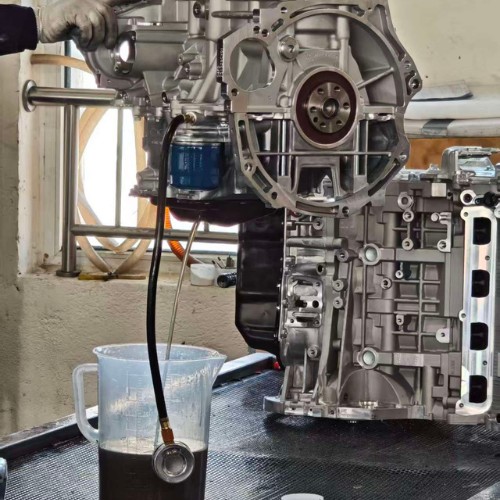
How Engine Hot Testing Works for Long Block Assemblies
1. Mounting the Long Block
The long block is installed on a test bench equipped with:
- Fuel supply
- Cooling connections
- Exhaust handling
- ECU or ignition control
- Instrumentation sensors
Since the long block is nearly a full engine, only external systems need to be connected.
2. Lubrication and Cooling Preparation
Engine oil is added and circulated.
A cooling module maintains controlled temperature flow during the engine hot testing.
3. Initial Cranking
Before ignition, the engine is motored to build oil pressure. This ensures lubrication reaches all bearings and valvetrain components before heat is introduced.
4. Controlled Start
The engine starts, and idle behavior is evaluated:
- Oil pressure stability
- Idle rpm trend
- Cylinder firing consistency
- Valvetrain noise patterns
A healthy long block shows stable idle within specification.
5. Mid-Range Operation
Raising rpm reveals deeper characteristics of the long block:
- Combustion balance
- Mechanical noise
- Cooling response
- Thermal expansion uniformity
Most long block defects emerge during this stage.
6. High-Speed Verification
A short high-rpm cycle tests lubrication performance and mechanical stability under elevated load. This confirms that the long block behaves correctly across the expected operating range.
7. Automated Data Logging
All parameters are recorded and compared to predetermined tolerances.
An Engine hot testing report is generated as part of the unit’s quality record.
8. Final Inspection
After shutdown, the long block is evaluated for:
- Residual leaks
- Odor or smoke abnormalities
- Temperature patterns
- Vibration signatures
Only long blocks that pass all checks proceed to final packaging.
Key Parameters Evaluated in Long Block Hot Testing
Oil Pressure Curve
Oil pressure reflects the integrity of:
- Main and rod bearings
- Oil pump performance
- Crankshaft clearance geometry
Long block reliability depends heavily on pressure stability.
Combustion and Cylinder Balance
Cylinder-to-cylinder variation reveals:
- Compression consistency
- Valve seating quality
- Timing accuracy
- Fuel delivery behavior
Uniform firing is essential for a healthy long block.
Thermal Stability
Engineers track:
- Coolant temperature trend
- Oil temperature rise
- Exhaust temperature distribution
These values indicate whether the core mechanical assembly handles heat correctly.
Noise and Vibration Analysis
Engine Hot testing identifies:
- Bearing knock
- Valvetrain tapping
- Chain or belt irregularities
Mechanical noise is an early warning sign of deeper issues.
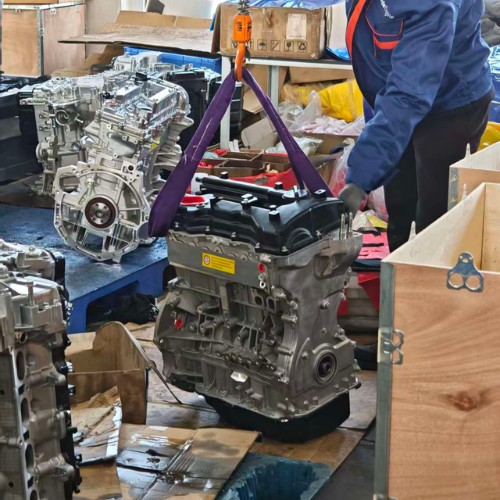
Common Issues Identified During Long Block Hot Testing
1. Oil Pressure Problems
Low or fluctuating oil pressure may indicate clearance issues, pump wear, or internal passage obstructions.
2. Cylinder Imbalance or Misfire
Often caused by valve leakage, timing errors, or compression deviations.
3. Cooling Instability
Overheating or uneven temperature distribution points to flow restrictions or sealing problems.
4. Mechanical Noise
Knocking, rattling, or tapping signals potential defects in bearings, pistons, or valvetrain geometry.
5. Leak Development Under Heat
Thermal expansion exposes sealing weaknesses that cannot be found during cold inspection.
Why Hot Testing Is Essential for Long Block Buyers
Long blocks form the mechanical heart of any engine build. When installed with external components, the long block must already meet strict functional standards. Hot testing offers buyers confidence that the internal assembly behaves correctly before integration.
Long block failures after installation are costly. Engine Hot testing reduces risk by:
- Verifying lubrication stability
- Confirming thermal behavior
- Ensuring combustion consistency
- Detecting sealing issues
- Completing the early break-in phase
This validation supports predictable performance once the long block enters service.
We apply hot testing to long block assemblies to verify lubrication stability, thermal behavior, and cylinder performance before release. By validating the core mechanical assembly, the final engine build process becomes more stable and reliable.
Conclusion
Engine hot testing remains one of the most effective ways to verify the functional integrity of a long block before it enters service. By exposing the assembly to real combustion, heat, and mechanical load, the test confirms lubrication stability, thermal behavior, and cylinder performance under conditions that static inspection cannot replicate.
This process reduces field failures, improves installation reliability, and strengthens overall quality control in long block production. As demand for consistent and predictable engine performance increases, structured hot testing continues to play a central role in modern manufacturing and rebuild operations.



