






Diesel engines use a different method to produce power compared to gasoline engines. Diesel and gasoline engine show clear differences in how each engine burns fuel and delivers energy.
Diesel engine relies on diesel fuel, while gas engines depend on gasoline. Diesel uses compression to ignite fuel, but gas uses a spark. The fuel type changes how each engine works and affects performance.

Diesel vs. Gasoline: How Engines Work
Combustion Methods
Diesel engines and gasoline engines use different methods to burn fuel and create power. Diesel engines rely on compression to heat air inside the cylinder. When the air gets hot enough, diesel fuel enters the chamber and ignites. This process does not need a spark.
Gasoline engines mix air and gasoline before compressing the mixture. A spark plug then creates a spark to ignite the fuel. The combustion method in diesel engines leads to higher temperatures and pressures. This difference affects fuel efficiency and fuel economy.
A table below shows the main differences in combustion methods:
| Engine Type | Combustion Method | Fuel Used |
|---|---|---|
| Diesel engines | Compression ignition | Diesel fuel |
| Gasoline engines | Spark ignition | Gasoline |
Note: Diesel engines use a process called “compression ignition,” while gasoline engines use “spark ignition.” This key difference shapes how each engine performs.
Ignition Differences
Ignition plays a major role in how diesel vs. gasoline engines operate. Diesel engines do not use spark plugs. Instead, they compress air until it becomes very hot.
When diesel fuel enters the cylinder, it ignites because of the heat. Gas engines use spark plugs to ignite the air-fuel mixture. The spark must happen at the right moment for the engine to run smoothly.
Diesel engines can run in tough conditions because they do not depend on electrical sparks. This makes them reliable for heavy-duty work. Gas engines need clean spark plugs and a strong electrical system. If the spark fails, the engine may not start or run well.
- Diesel engines: Use heat from compression for ignition.
- Gas engines: Use spark plugs for ignition.
Compression Ratios
Compression ratio measures how much the engine squeezes air before adding fuel. Diesel engines have much higher compression ratios than gasoline engines. The high compression in diesel engines heats the air enough to ignite diesel fuel. This process increases fuel efficiency and performance.
Gasoline engines have lower compression ratios. They cannot compress the air-fuel mixture as much because high pressure could cause knocking. Knocking happens when fuel ignites too early, which can damage the engine.
A higher compression ratio in diesel engines means:
- More power from each drop of fuel.
- Better fuel economy.
- Increased durability.
Diesel engines use strong parts to handle the extra pressure. This design helps them last longer and work well in trucks and machines. Gasoline engines focus on smooth operation and quick response.
Tip: Diesel engines offer better fuel efficiency because of their high compression ratios. This makes them a good choice for drivers who want strong performance and lower fuel costs.
Engine Design and Build
Diesel Engine Structure
Diesel engines have a strong and heavy build. Engineers design these engines to handle high pressure from compression ignition. The cylinder walls in diesel engines are thick. The pistons and crankshafts use tough metals. This strength helps diesel engines last longer.
Diesel engines often use turbochargers to push more air into the cylinders. This feature increases power and improves fuel efficiency. Many trucks and machines use diesel engines because they can run for many hours without problems.
A table below shows key parts found in diesel engines:
| Part | Purpose |
|---|---|
| Thick cylinder | Handles high pressure |
| Turbocharger | Boosts air and power |
| Strong piston | Withstands heat and force |
| Fuel injector | Delivers diesel into cylinder |
Note: Diesel engines need strong parts because diesel burns at higher pressure and temperature.
Gas Engines Structure
Gasoline engines have a lighter design. The parts in gas engines do not need to handle as much pressure as diesel engines. This makes gasoline engines smaller and lighter.
Many cars use gasoline engines because they start quickly and run smoothly. The lighter weight helps with speed and acceleration. Gasoline engines use spark plugs and thinner cylinder walls. These engines focus on comfort and quiet operation.
Maintenance Needs
Diesel engines need regular care to stay in good shape. Owners must change the fuel filter often. Clean fuel helps diesel engines run well. Mechanics check the injectors and turbochargers for wear. Diesel engines use more oil, so oil changes are important.
They also need strong batteries to start in cold weather. Gasoline engines need less frequent maintenance. Diesel vs. gasoline shows that diesel engines cost more to maintain, but they last longer. Good care improves fuel efficiency and keeps diesel engines running for many years.
Tip: Regular maintenance helps diesel engines deliver better fuel economy and reliability.
Fuel Types: Diesel vs. Gasoline
Diesel Fuel Properties
Diesel fuel has a thicker texture and higher energy content than gasoline. Diesel engines use this fuel because it burns slowly and releases more energy per gallon. The fuel contains more carbon atoms, which helps diesel engines produce strong torque.
Diesel also has a higher flash point, so it does not ignite as easily as gasoline. This property makes diesel safer to store and transport. Diesel engines rely on diesel fuel to achieve better fuel efficiency and longer driving ranges.
A table below compares diesel fuel and gasoline:
| Property | Diesel Fuel | Gasoline |
|---|---|---|
| Energy Content | High | Moderate |
| Flash Point | High | Low |
| Texture | Thick | Thin |
| Carbon Atoms | More | Fewer |
Note: Diesel engines need diesel fuel with high energy content to deliver strong performance and fuel economy.
Gasoline Fuel Properties
Gasoline is lighter and evaporates quickly. Gasoline engines use this fuel because it mixes well with air and ignites easily. Gasoline has a lower flash point, so it starts burning at lower temperatures.
This property helps gas engines start fast and run smoothly. Gasoline contains fewer carbon atoms than diesel, which means it produces less energy per gallon. Most passenger cars use gasoline because it supports quick acceleration and quiet operation.
Impact on Engine Output
Fuel type affects how engines perform. Diesel engines use diesel fuel to create more torque and pull heavy loads. Theys work well for trucks and machines that need power.
Diesel engines offer better fuel efficiency and longer lifespan. Gasoline engines use gasoline to deliver higher horsepower and faster speeds. Gas engines suit drivers who want quick acceleration and smooth rides.
- Diesel engines: Provide strong torque and better fuel economy.
- Gasoline engines: Offer higher horsepower and faster acceleration.
Tip: Choosing the right fuel helps drivers get the best performance from their vehicles.
Diesel Engine Efficiency
Fuel Economy
Diesel engines stand out for their impressive fuel economy. They use diesel to produce more energy from each gallon of fuel. Drivers notice that diesel engines travel farther on the same amount of fuel compared to gasoline engines. Diesel fuel contains more energy, so vehicles with diesel engines need fewer stops at the pump. Many trucks and commercial vehicles rely on diesel engines because they save money over long distances. Diesel engines also perform well when carrying heavy loads. This advantage makes diesel engines popular in industries that value fuel efficiency.
Tip: Diesel engines help drivers reduce fuel costs and increase driving range.
Thermal Efficiency
Thermal efficiency measures how well an engine turns fuel into useful power. Diesel engines achieve higher thermal efficiency than gas engines. They compress air to a higher degree, which allows diesel to burn more completely. This process means diesel engines waste less energy as heat.
Engineers design diesel engines with strong parts to handle the extra pressure. Diesel engines use turbochargers and advanced fuel injection systems to improve thermal efficiency. These features help diesel engines deliver steady power and better fuel economy.
A table below compares thermal efficiency:
| Engine Type | Thermal Efficiency (%) |
|---|---|
| Diesel engines | 40-45 |
| Gas engines | 25-30 |
Real-World Mileage
Real-world mileage shows how diesel engines perform outside the lab. Drivers report that diesel engines deliver consistent results on highways and city streets. Diesel engines maintain good fuel economy even in stop-and-go traffic. Many owners choose diesel for long trips because diesel engines offer reliable mileage.
Diesel engines last longer and keep their fuel efficiency over time. they also handle tough conditions, such as towing and climbing hills. Diesel engines use diesel fuel to achieve strong performance and durability.
- Diesel engines: Provide steady mileage in many driving situations.
- Diesel: Offers long-term savings and reliability.
Gas Engines Performance
Horsepower and Speed
Gas engines deliver strong horsepower, which means they can reach higher speeds quickly. Horsepower measures how much work an engine can do over time. Gasoline engines often produce more horsepower than diesel engines of similar size. This advantage helps cars accelerate faster and maintain high speeds on highways.
Many sports cars and sedans use gasoline engines because they offer a smooth ride and quick response. Drivers who value speed often choose vehicles with gas engines for their impressive performance.
A comparison table shows typical horsepower ranges:
| Engine Type | Typical Horsepower (per liter) |
|---|---|
| Gas engines | 70-120 |
| Diesel engines | 40-80 |
Note: Gasoline engines excel in delivering high horsepower, making them popular for vehicles focused on speed.
Acceleration
Acceleration describes how fast a car can increase its speed. Gasoline provides quick combustion, which helps gas engines respond rapidly when the driver presses the pedal. This quick response gives drivers confidence when merging onto highways or passing other vehicles.
Gas engines also weigh less than diesel engines, which improves acceleration. Many drivers enjoy the lively feel of a gasoline-powered car because it reacts instantly to their input.
- Gas engines: Offer fast acceleration and sharp throttle response.
- Diesel vs. gasoline: Gasoline engines usually win in acceleration tests.
Driving Styles
Different driving styles benefit from different engine types. Gasoline engines suit drivers who prefer smooth, quiet rides and frequent city driving. These engines handle stop-and-go traffic well and provide a comfortable experience. Gasoline works best for people who want a balance of speed, comfort, and easy handling.
Diesel engines, on the other hand, fit those who need strong pulling power and better fuel efficiency for long trips. The choice between diesel and gasoline depends on the driver’s needs and habits.
Tip: Drivers who enjoy quick starts and smooth rides often prefer gasoline engines for their daily commute.
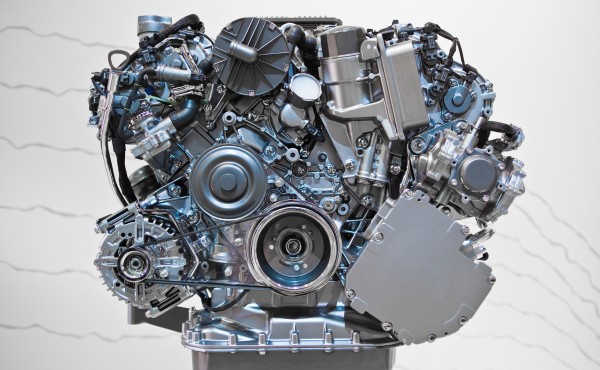
Diesel Engine Durability
Lifespan
Diesel engines often last much longer than gasoline engines. Many drivers see diesel engines reach 300,000 miles or more with proper care. The strong parts inside diesel engines help them handle high pressure and heat. Diesel engines use thick cylinder walls and heavy pistons.
These features protect the engine from wear. Most trucks and buses rely on diesel engines because they need to run for many years. Diesel engines also resist damage from long hours of work. Owners who use diesel engines for towing or hauling notice this long lifespan.
Tip: Regular oil changes and clean diesel fuel help diesel engines reach their full lifespan.
Reliability
Diesel engines show strong reliability in tough conditions. They start in cold weather and keep running in hot climates. Diesel engines do not use spark plugs, so they have fewer parts that can fail. Many farmers and construction workers trust diesel engines for their equipment.
Diesel engines use simple designs that make them easy to fix. Mechanics can repair diesel engines with basic tools. Diesel engines also handle low-quality fuel better than gas engines. This reliability makes diesel engines a top choice for heavy-duty jobs.
A table below compares reliability factors:
| Factor | Diesel Engines | Gasoline Engines |
|---|---|---|
| Cold weather start | Excellent | Good |
| Long hours operation | Very strong | Moderate |
| Simple repairs | Yes | Sometimes |
Maintenance Costs
Diesel engines cost more to maintain than gasoline engines. They need frequent oil changes and new fuel filters. Diesel engines use more oil because they run hotter. Mechanics check injectors and turbochargers often. Diesel engines also need strong batteries for starting. The price for diesel engine parts can be higher.
However, diesel engines break down less often. Over time, the long lifespan of diesel engines can balance out the higher maintenance costs. Owners who drive many miles each year may save money with diesel engines.
Cost of Ownership: Diesel vs. Gasoline
Purchase Price
Buyers often notice a difference in the initial cost when comparing diesel engines and gasoline engines. Diesel vehicles usually cost more at the dealership. Manufacturers build diesel engines with stronger parts, which increases the price. Gasoline engines use lighter materials, so they cost less to produce. Many families choose gas engines for their lower upfront cost. Diesel vs. gasoline shows that diesel vehicles may offer better value over time, but the higher purchase price can be a barrier for some buyers.
| Engine Type | Average Purchase Price |
|---|---|
| Diesel | Higher |
| Gasoline | Lower |
Note: Diesel vehicles often come with a premium price tag due to their durable construction.
Repair and Upkeep
Maintenance costs play a big role in total ownership expenses. Diesel engines need regular oil changes, fuel filter replacements, and injector checks. These services cost more than basic maintenance for gas engines.
Mechanics often charge higher fees for diesel repairs because the parts are heavier and the systems are more complex. Gasoline engines require less frequent upkeep, which helps owners save money. Some drivers prefer gasoline for its lower maintenance costs and easier repairs.
- Diesel: Higher maintenance costs, but fewer breakdowns.
- Gas: Lower repair bills, but may need more frequent service.
Fuel Expenses
Fuel costs affect every driver’s budget. Diesel fuel usually costs more per gallon than gasoline, but diesel engines use less fuel to travel the same distance. Owners of diesel vehicles often spend less on fuel over time, especially if they drive long distances or haul heavy loads. Gasoline engines burn more fuel, which can increase expenses for drivers who travel often. The choice between diesel and gasoline depends on driving habits and how much fuel a person expects to use.
| Engine Type | Fuel Efficiency | Typical Fuel Cost |
|---|---|---|
| Diesel | High | Higher per gallon |
| Gasoline | Moderate | Lower per gallon |
Tip: Drivers who cover many miles each year may save money with diesel engines, even if diesel fuel costs more.
Environmental Impact
Emissions
Diesel engines and gasoline engines release different types of emissions into the air. Diesel engines produce more nitrogen oxides (NOx) and tiny particles called soot. These pollutants can make the air dirty and affect breathing. Gas engines create more carbon monoxide and hydrocarbons.
Both engine types add carbon dioxide to the atmosphere, which can increase global warming. People who drive trucks or cars should know how their choice affects the environment.
Fact: Diesel vs. gasoline shows that diesel engines emit less carbon dioxide per mile, but they release more NOx and particulates.
Pollution
Pollution from vehicles comes in many forms. Diesel engines often cause more visible smoke, especially in older models. Gasoline engines tend to pollute less with particles but still add harmful gases to the air. Fuel quality also matters. Low-quality diesel or gasoline can increase pollution.
Cities with heavy traffic see higher levels of air pollution from both engine types. Cleaner fuel and better engine technology help reduce these problems.
A table below compares pollution types:
| Engine Type | Main Pollutants | Visible Smoke |
|---|---|---|
| Diesel | NOx, particulates | Often |
| Gasoline | CO, hydrocarbons | Rarely |
Regulations
Governments set rules to limit pollution from vehicles. They require car makers to use filters and special systems to clean exhaust. Diesel engines must meet strict standards for NOx and soot. Gasoline engines follow rules for carbon monoxide and hydrocarbons.
Some cities ban older diesel vehicles to protect air quality. Drivers should check local laws before buying a new car or truck. Regulations push companies to create cleaner engines and better fuel.
🚗 Tip: Choosing newer vehicles with advanced technology helps lower pollution and meet regulations.
Typical Uses: Diesel vs. Gasoline Engine
Passenger Cars
Most passenger cars on the road today use gasoline engines. These engines provide smooth acceleration and quiet operation. Drivers often choose gasoline for daily commutes and city driving. Gas engines start quickly in cold weather and require less maintenance. Many families prefer gasoline vehicles because they cost less to buy and repair. Gasoline engines also fit well in smaller cars, which helps with parking and maneuvering in traffic.
Note: Gasoline engines remain the top choice for personal vehicles due to their comfort and convenience.
Trucks and Towing
Diesel engines power many trucks and vehicles designed for towing. These engines produce strong torque, which helps them pull heavy loads up hills or across long distances. Truck drivers rely on diesel for its durability and fuel efficiency during long hauls.
Many construction companies use diesel trucks to move equipment and materials. Diesel vs. gasoline shows that diesel engines handle tough jobs better than gas engines. People who tow boats, trailers, or campers often select diesel trucks for their strength and reliability.
A table below highlights key uses:
| Vehicle Type | Preferred Engine | Main Reason |
|---|---|---|
| Pickup trucks | Diesel | Towing power |
| Delivery vans | Diesel | Long-distance use |
| SUVs (large) | Gas | Passenger comfort |
Other Applications
Diesel engines serve many roles outside of cars and trucks. Farmers use diesel to run tractors and harvesters. Many boats and ships rely on diesel for long trips at sea. Construction sites use diesel engines in machines like bulldozers and cranes.
Gasoline powers smaller tools, such as lawn mowers and generators. Gas engines work well in motorcycles and recreational vehicles. Diesel vs. gasoline depends on the job. Diesel fits heavy-duty work, while gasoline suits lighter, everyday tasks.
Tip: Choosing the right engine type depends on how the vehicle or machine will be used and the kind of fuel available.
Conclusion
Diesel engines give drivers strong durability and better fuel efficiency, while gasoline engines offer quick acceleration and lower maintenance costs. Diesel vs. gasoline depends on how people drive, their budget, and their concern for the environment. Drivers who travel long distances or tow heavy loads may prefer diesel. Those who want smooth rides and easy upkeep often choose gas engines. People should compare fuel costs, engine lifespan, and repair needs before making a decision.
Tip: Review your driving habits and needs to pick the right engine for your next vehicle.



