






Many experts consider cast iron and aluminum alloys the best material choices for an engine block. The best material for most drivers often depends on specific needs. Cast iron stands out as the best material for those who want strength and long-term durability.
Aluminum, however, offers the best material for anyone who values a lighter build and improved fuel efficiency. Some drivers seek the best material for heat management or cost savings. Selecting the best material for an engine block means weighing these priorities carefully.

Engine Block Material Overview
Cast Iron Properties
Grey cast iron has served as the foundation for many engine designs. Most cast iron engine blocks use grey cast iron because it offers high strength and excellent wear resistance. Grey cast iron contains graphite flakes that help absorb vibration. This property makes grey cast iron a good choice for reducing engine noise.
Cast iron engine blocks also resist deformation under high pressure. Many heavy-duty vehicles rely on cast iron engine blocks for their durability. Grey cast iron can handle high temperatures without warping. Mechanics find cast iron engine blocks easier to repair than some other materials. However, grey cast iron adds significant weight to the engine.
Aluminum Alloy Properties
Aluminum alloy has become the leading choice for modern engines. Aluminum engine blocks weigh much less than cast iron engine blocks. This weight reduction improves fuel efficiency and handling. Aluminum alloy also transfers heat quickly, which helps the engine cool faster.
Most manufacturers use aluminum alloy because it resists corrosion and allows for complex shapes.
Aluminum engine blocks often include steel liners to increase strength. Aluminum alloy can expand more than grey cast iron when heated, so engineers design engines to account for this. Aluminum engine blocks suit cars that need quick acceleration and better mileage. Many sports cars and compact vehicles use aluminum alloy for these reasons.
| Property | Grey Cast Iron | Aluminum Alloy |
|---|---|---|
| Weight | Heavy | Light |
| Heat Transfer | Moderate | High |
| Corrosion Resistance | Good | Excellent |
| Repairability | Easy | Moderate |
| Cost | Lower | Higher |
Other Materials
Some manufacturers have experimented with magnesium and composite materials. Magnesium offers even lower weight than aluminum alloy, but it lacks the strength of grey cast iron or aluminum engine blocks.
Composite materials can provide unique benefits, but they remain rare in most engines. Most drivers will find that grey cast iron and aluminum alloy cover nearly all needs for engine block materials.
Engine Block Material Comparison
Durability and Strength
Durability and strength play a major role in engine block material comparison. Grey cast iron has a long history in engine manufacturing. Many heavy-duty trucks and industrial machines use grey cast iron because it offers high durability. The graphite flakes in grey cast iron help absorb stress and reduce cracking.
This material resists wear and maintains its shape under high pressure. Aluminum, on the other hand, provides less strength than grey cast iron. Engineers often add steel liners to aluminum engine blocks to improve durability. Sports cars and compact vehicles use aluminum for its lighter weight, but they rely on advanced designs to maintain strength.
Real-world data shows that grey cast iron engine blocks often last longer in harsh conditions. Aluminum engine blocks may need more frequent repairs in high-stress environments. When considering strength and structural integrity, grey cast iron stands out for its ability to handle heavy loads and extreme temperatures.
Weight and Performance
Weight affects engine performance and fuel efficiency. Aluminum engine blocks weigh much less than grey cast iron blocks. This reduction in weight helps cars accelerate faster and improves handling. Many manufacturers choose aluminum for modern vehicles because it boosts performance without sacrificing reliability.
Grey cast iron adds significant weight to the engine, which can lower fuel economy. Heavy trucks and older cars use grey cast iron because they prioritize durability over performance.
In racing and sports applications, aluminum engine blocks dominate due to their lightness. Real-world tests show that aluminum engine blocks help vehicles achieve better mileage and quicker acceleration. Grey cast iron engine blocks suit vehicles that need steady power and long-term reliability.
- Aluminum engine blocks: Lighter, better acceleration, improved fuel efficiency.
- Grey cast iron engine blocks: Heavier, steady power, less focus on performance.
Heat Management
Heat management is another key factor in engine block material comparison. Aluminum transfers heat quickly, which helps engines cool down faster. This property allows aluminum engine blocks to maintain stable temperatures during high-performance driving. Grey cast iron absorbs and distributes heat more slowly.
Some engines use grey cast iron because it can handle high temperatures without warping. In daily driving, aluminum engine blocks offer better heat dissipation. High-performance engines often use aluminum for this reason. Grey cast iron engine blocks work well in heavy-duty vehicles that run for long periods and need consistent heat management.
| Material | Heat Transfer | Typical Use Case |
|---|---|---|
| Aluminum | Fast | Sports cars, compact vehicles |
| Grey cast iron | Moderate | Trucks, industrial engines |
Note: Aluminum engine blocks may require special cooling systems in extreme conditions.
Cost and Maintenance
Cost and maintenance influence the choice of engine block material. Grey cast iron usually costs less to produce than aluminum. Many older vehicles and trucks use grey cast iron because it offers affordable durability. Aluminum engine blocks cost more due to complex manufacturing processes.
Repairing grey cast iron engine blocks is often easier and less expensive. Mechanics can weld or machine grey cast iron with standard tools. Aluminum engine blocks may need specialized equipment for repairs. In real-world scenarios, grey cast iron engine blocks provide lower maintenance costs over time. Aluminum engine blocks may require more frequent attention, especially in high-performance vehicles.
- Grey cast iron: Lower cost, easier repairs, long service life.
- Aluminum: Higher cost, moderate repairability, better for modern engines.
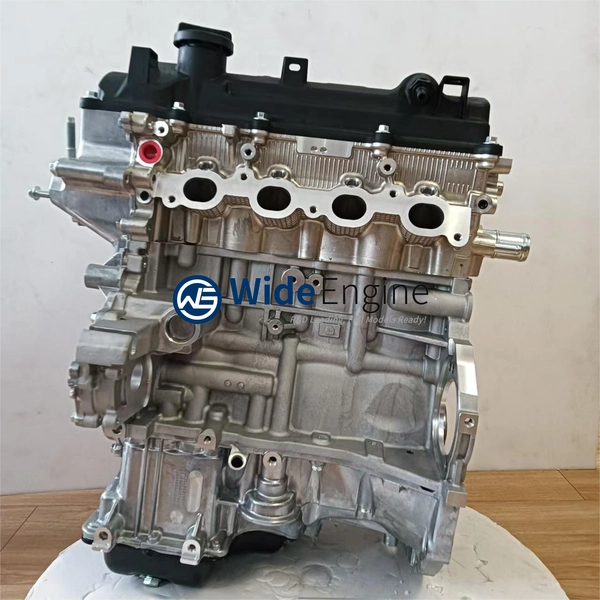
Best Cylinder Block Material for Different Needs
Daily Driving
Most drivers want a balance of reliability, cost, and fuel efficiency for daily use. Aluminum engine blocks fit this need well. They weigh less than grey cast iron, which helps cars use less fuel. Many modern vehicles use aluminum because it improves fuel efficiency and makes handling easier.
Aluminum also cools quickly, which helps engines run smoothly in city traffic. Some compact cars use aluminum with steel liners to add strength. Grey cast iron still appears in some older models, but aluminum now leads for daily driving. Drivers who want the best cylinder block material for everyday use should look for aluminum. It offers a good mix of performance, fuel efficiency, and low maintenance.
Performance and Racing
Performance and racing vehicles need quick acceleration, high power, and strong heat management. Aluminum engine blocks dominate this area. Their light weight gives cars better acceleration and handling. High performance engines often use aluminum because it transfers heat fast, keeping temperatures stable during intense driving.
Some racing teams add steel liners or special coatings to aluminum blocks for extra durability. Grey cast iron rarely appears in racing because it adds too much weight and reduces fuel efficiency. Performance-focused drivers should choose aluminum for its speed and heat control. High performance engines benefit most from aluminum, especially when every second counts.
- Aluminum: Best for racing, sports cars, and high performance engines.
- Grey cast iron: Not common in modern racing due to weight.
Heavy-Duty Use
Heavy-duty vehicles, such as trucks and industrial machines, need strength and long service life. Grey cast iron remains the top choice for these engines. It resists wear and handles high pressure without deforming. Many trucks use grey cast iron because it lasts longer under tough conditions.
Aluminum does not match the strength of grey cast iron in heavy-duty use. Fuel efficiency matters less in these vehicles, so the extra weight of grey cast iron is not a problem. For anyone who needs a cylinder block material that can handle heavy loads and long hours, grey cast iron stands out. It offers unmatched durability and keeps engines running for years.
| Application | Recommended Material | Key Benefit |
|---|---|---|
| Daily Driving | Aluminum | Fuel efficiency |
| Performance/Racing | Aluminum | Performance, cooling |
| Heavy-Duty Use | Grey cast iron | Durability |
How to Choose Cylinder Block Material
Key Factors to Consider
Selecting the right engine block material requires careful thought. Drivers should look at several important factors before making a decision.
- Budget: Cost often plays a big role in material choice. Cast iron usually costs less than aluminum. Drivers who want to save money may prefer cast iron.
- Performance Needs: Some vehicles need quick acceleration and better handling. Aluminum blocks help reduce weight and boost performance. Cast iron works best for steady power and heavy loads.
- Engine Longevity: Many drivers want their engine to last as long as possible. Cast iron offers high wear resistance and can extend engine longevity, especially in tough conditions. Aluminum can also last a long time with proper care.
- Maintenance and Longevity: Some materials make repairs easier. Cast iron allows for simple fixes, while aluminum may need special tools. Drivers should think about how often they want to service their engine.
- High Wear Resistance: Trucks and heavy-duty vehicles need materials that resist wear. Cast iron provides high wear resistance, making it a strong choice for these uses.
Practical Tips
Drivers can use a few simple tips to make the best decision:
- Compare the total cost of ownership, not just the upfront price. Consider how maintenance and longevity affect long-term expenses.
- Check the manufacturer’s recommendations for the specific engine model.
- For daily driving and fuel savings, choose aluminum. For heavy-duty work or towing, pick cast iron for its high wear resistance.
- Ask a trusted mechanic about repair options for each material.
- Think about climate and driving habits. Engines in hot areas may benefit from aluminum’s fast heat transfer.
| Factor | Cast Iron | Aluminum Alloy |
|---|---|---|
| Cost | Lower | Higher |
| Engine Longevity | Excellent | Good |
| High Wear Resistance | Excellent | Moderate |
| Maintenance | Easier | Moderate |
Conclusion
Cast iron and aluminum alloy remain the top choices for engine blocks. Cast iron offers strength and durability for heavy-duty use. Aluminum alloy provides lighter weight and better fuel efficiency for daily driving and performance cars. Drivers should consider cost, performance, and longevity before making a decision.



