






A short block may need replacement when severe internal damage, bearing failure, or catastrophic engine events occur. Common causes include worn components, rod knock, broken pistons, or a failed short block engine.
Recognizing symptoms like knocking noises, oil leaks, or loss of power helps prevent further engine problems and higher repair costs.
Short Block Replacement Causes
Severe Engine Wear
Severe engine wear often leads to the need for short block replacement. Worn cylinder walls, damaged pistons, and excessive scoring can reduce performance.
Mechanics usually recommend a short block engine replacement when wear reaches this level.
Spun Rod Bearings
A spun rod bearing can cause major damage inside the engine. This condition often results in a loss of oil pressure and metal debris in the oil.
When this happens, replacement of the short block becomes necessary to restore engine function.
Rod Knock and Bad Bearings
Rod knock signals that the bearings inside the engine have failed. This noise usually means the short block engine has suffered internal damage.
Quick replacement prevents further engine problems and avoids a complete engine replacement.
Broken Crankshaft or Pistons
A broken crankshaft or damaged pistons can stop the engine from running. These failures often require a full short block engine replacement. Mechanics see these issues as signs that the engine cannot be repaired with simple fixes.
Overheating and Oil Starvation
Overheating and oil starvation can destroy engine components quickly. Lack of oil or coolant causes friction and heat, leading to warped parts and seized pistons.
In these cases, short block replacement is the only way to fix the engine.
Water or Coolant Contamination
Water or coolant entering the engine can cause rust, corrosion, and internal failure.
This contamination often leads to a need for short block replacement. Mechanics recommend engine replacement if the damage is severe and affects the short block.
Note: Recognizing these causes early can help prevent more expensive engine replacement and reduce the risk of further damage.
Symptoms of a Failing Short Block Engine

Loss of Compression
Loss of compression often signals a serious problem inside the short block. When compression drops, the engine may struggle to start or run smoothly. Mechanics use compression tests to check this condition and confirm if the short block engine needs attention.
Excessive Oil Consumption
A failing short block can cause the engine to burn or leak oil at a rapid rate. Drivers may notice the oil level dropping faster than normal between oil changes.
This symptom often points to worn piston rings or damaged cylinder walls inside the short block engine.
Unusual Engine Noises
Unusual noises, such as knocking, tapping, or rattling, often come from deep inside the engine. These sounds may indicate worn bearings or internal damage in the short block.
Ignoring these noises can lead to more severe problems and may require short block engine replacement.
Visible Leaks or Damage
Visible oil leaks or cracks on the engine block suggest a serious condition. Mechanics often find oil pooling under the vehicle or see damage on the outside of the short block.
These signs usually mean the short block cannot protect the engine from further harm.
Tip: Early detection of these symptoms can help prevent complete engine failure and reduce the cost of repairs.
Risks of Delaying Short Block Engine Replacement
Complete Engine Failure
Delaying short block engine replacement often leads to complete engine failure. When a damaged short block continues to run, internal parts can break down further.
This condition may cause the engine to stop working entirely, leaving the vehicle stranded.
Ignoring the need for replacement increases the risk of sudden breakdowns.
Higher Repair Costs
Waiting too long for engine replacement usually results in higher repair costs. Damage spreads to other parts of the engine, making repairs more expensive.
Mechanics often find that a simple short block replacement could have prevented the need for a full engine replacement.
- Early replacement saves money.
- Delays often require more parts and labor.
- Repair bills can double or triple if the condition worsens.
Safety Concerns
Driving with a failing short block engine creates safety concerns. The engine may lose power or stall in traffic, putting the driver and others at risk.
Quick short block engine replacement helps maintain safe vehicle operation and prevents dangerous situations.
Safety should always come first when dealing with engine replacement needs.
Confirming the Need for Engine Replacement
Professional Diagnosis
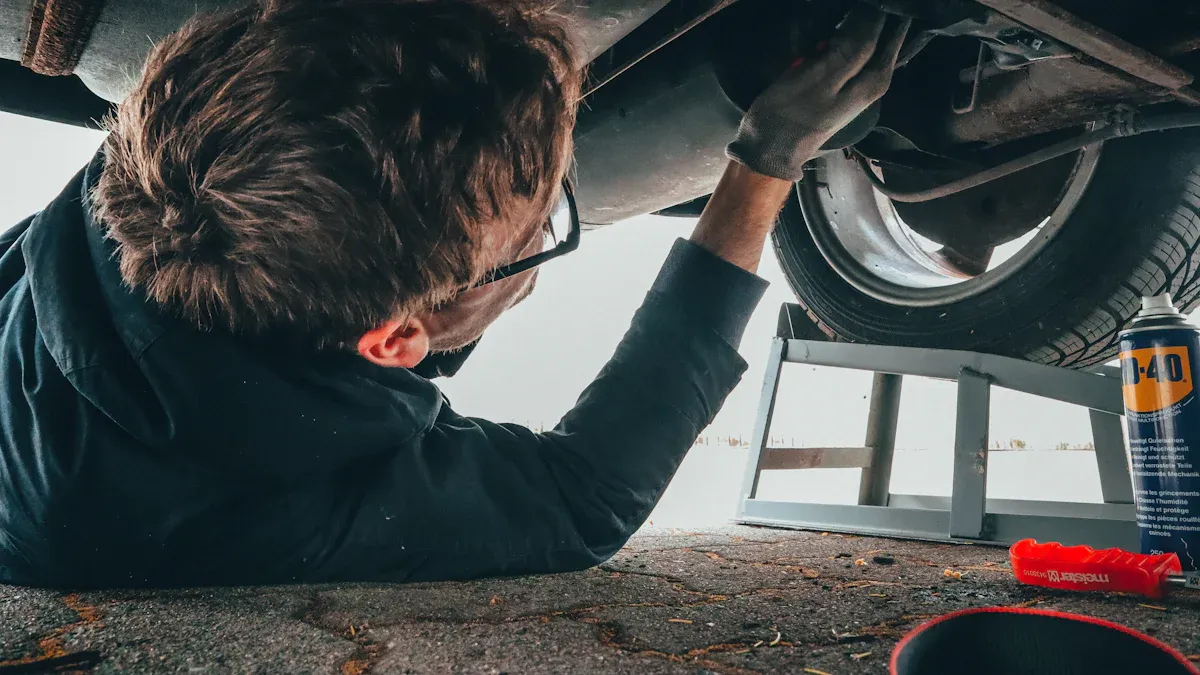
A professional mechanic can confirm if a short block engine replacement is necessary. They use specialized tools and experience to identify hidden problems.
Mechanics often check for signs like low compression, metal shavings in the oil, or severe knocking sounds.
Tip: Seek expert help if the engine makes loud noises, loses power, or burns oil quickly.
A mechanic may also review the vehicle’s history and past repairs. They look for patterns that suggest repeated engine issues.
If the same problems keep returning, a replacement may be the best solution.
Inspection Methods
Several inspection methods help confirm the need for engine replacement. Mechanics often start with a compression test to measure each cylinder’s pressure.
Low or uneven results can point to internal damage in the short block.
They may also perform a leak-down test. This test checks how much air escapes from the cylinders. High leakage often means the short block engine has worn or damaged parts.
Visual inspections play a key role. Mechanics look for cracks, oil leaks, or coolant mixing with oil. These signs usually mean the engine needs replacement.
A table can help summarize common inspection methods:
| Inspection Method | What It Detects | When to Use |
|---|---|---|
| Compression Test | Loss of compression | Engine runs rough or weak |
| Leak-Down Test | Internal leaks or damage | Suspected cylinder issues |
| Visual Inspection | Cracks, leaks, contamination | Visible engine problems |
Note: Immediate action is needed if the engine shows multiple warning signs. Delaying short block engine replacement can lead to more severe damage.
If a mechanic finds several of these issues, they will recommend replacement. Drivers should not wait if they notice symptoms like knocking, oil loss, or visible leaks.
Quick short block engine replacement prevents further engine failure and higher costs.
- Severe damage, bearing failure, and contamination often require engine replacement.
- Timely replacement protects engine performance and prevents higher costs.
- Mechanics recommend engine replacement when symptoms appear, such as knocking or oil loss.
- Replacement keeps vehicles safe and reliable.
- Drivers should schedule engine replacement if they notice warning signs.
- Delaying engine replacement increases risks and expenses.
- Professional diagnosis confirms when replacement is necessary.
Early engine replacement ensures better engine performance and avoids complete failure.



