







A cylinder block forms the core structure of most internal combustion engines. This component holds cylinders, which help generate power for vehicles and machinery.
Different types of cylinder blocks exist, each with unique features that affect how an engine performs and how long it lasts. People who understand these differences can make better choices when maintaining, upgrading, or selecting engines for specific uses.
Knowing about cylinder block types helps users match engines to their needs and improve reliability.
Engine Cylinder Block Basics
What Is a Cylinder Block?
A cylinder block serves as the main structure for most engine cylinder block designs. This part forms the foundation for the engine and supports other essential components. Engineers design the cylinder block to house the cylinders, which allow pistons to move up and down.
The movement of these pistons creates the power needed for vehicles and machines. In internal combustion engines, the cylinder block holds the cylinders in a precise arrangement. This arrangement affects how the engine performs and how much space it occupies.
Tip: The cylinder block often determines the size and shape of the entire engine.
The engine cylinder block also contains passages for coolant and oil. These passages help regulate temperature and reduce friction. By keeping the engine cool and lubricated, the cylinder block helps prevent damage and extends the life of the engine.
Functions of the Engine Block
The engine block performs several important functions. It supports the cylinders and keeps them aligned. This alignment ensures smooth movement of the pistons. The engine block also provides mounting points for other parts, such as the cylinder head and crankshaft. These connections help the engine work as a single unit.
Key functions of the engine block include:
- Holding the cylinders in place
- Supporting the crankshaft and connecting rods
- Providing channels for coolant and oil
- Serving as a base for the cylinder head
A well-designed engine cylinder block improves engine reliability. It helps maintain proper temperature and reduces wear on moving parts. The engine block also plays a role in noise reduction and vibration control. By absorbing vibrations, the engine block makes the engine run more smoothly.
The engine cylinder block remains a vital part of every engine. Its design and quality affect how well the engine performs and how long it lasts.
Types of Cylinder Blocks
Inline Cylinder Block
An inline cylinder block arranges all cylinders in a single straight line. This design creates a long and narrow engine block. Inline engine blocks often appear in smaller vehicles and motorcycles.
The simplicity of this configuration makes it easy to manufacture and maintain. Inline cylinder blocks provide smooth operation because the pistons move in a balanced pattern. Mechanics can access parts easily due to the straightforward layout.
Inline engine blocks usually have fewer moving parts than other types. This feature increases reliability and reduces maintenance costs.
The compact shape allows engineers to fit these engines into tight spaces. Inline cylinder blocks work well for vehicles that need moderate power and efficiency. Many people choose this type for daily driving and light-duty work.
Note: Inline cylinder blocks often offer better fuel efficiency compared to more complex engine block designs.
V-Type Cylinder Block
A V-type cylinder block arranges cylinders in two separate banks. These banks form a “V” shape when viewed from the front. V-type engine blocks allow for more cylinders in a shorter engine block.
This design helps engineers create powerful engines without making them too long. V-type cylinder blocks often appear in performance cars, trucks, and heavy machinery.
V-type cylinder blocks provide a good balance between size and power. The V-shape helps reduce engine length and improves weight distribution. This layout also allows for higher displacement, which means the engine can produce more power.
V-type cylinder blocks often run smoother at high speeds because the pistons move in a balanced way.
V-type engine blocks can support more advanced features, such as turbocharging or supercharging. These features help boost power output for demanding applications. Many high-performance vehicles use v-type cylinder blocks to achieve strong acceleration and towing capacity.
Boxer/Opposed Cylinder Block
Boxer cylinder blocks, also called opposed cylinder blocks, arrange cylinders in two banks that lie flat and face away from each other. The pistons move in opposite directions, which helps balance the engine. Boxer engines use this design to lower the center of gravity. This feature improves handling and stability, especially in sports cars and some off-road vehicles.
Boxer cylinder blocks create a wide but low engine profile. This shape allows engineers to mount the engine lower in the vehicle. The low center of gravity helps reduce body roll during sharp turns. Boxer engines also produce less vibration because the opposing pistons cancel out each other’s movements.
Boxer engines often appear in vehicles that need both power and stability. The unique design of boxer cylinder blocks makes them popular for applications where handling and smoothness matter most.
Tip: Boxer engines can provide a unique sound and feel due to their flat layout and piston movement.
Each type of cylinder block offers unique advantages. Engineers select the best type based on the needs of the engine and the vehicle. Understanding the different types of cylinder blocks helps people make informed choices about engine performance, reliability, and maintenance.
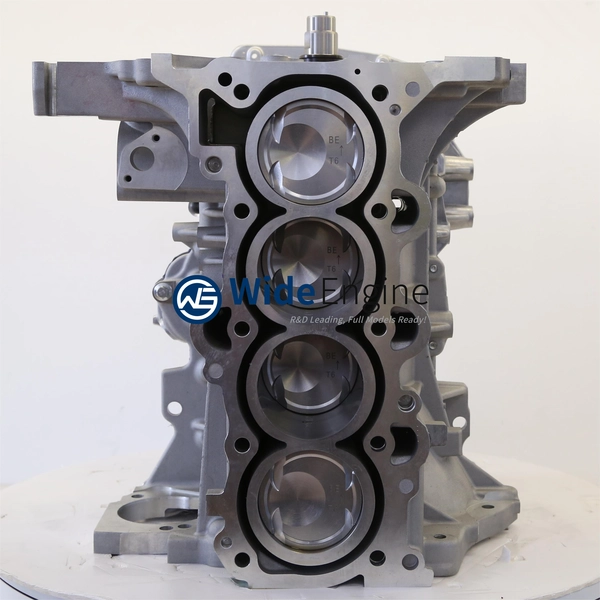
Cylinder Block Materials and Manufacturing
Cast Iron vs. Aluminum Engine Blocks
Engine blocks use different materials to meet the needs of various vehicles. Cast iron cylinder blocks have served as the standard for many years. They offer high strength and durability.
Mechanics often choose cast iron for heavy-duty engines because it resists wear and handles high temperatures. Cast iron cylinder blocks also help reduce vibration, which improves engine reliability.
Aluminum alloy cylinder blocks have become popular in modern vehicles. These blocks weigh less than cast iron, which helps improve fuel efficiency.
Aluminum alloy cylinder blocks also transfer heat quickly, keeping the engine cool during operation. Engineers use aluminum for engines that need to save weight and boost performance. Both materials affect how much power an engine can produce and how long it lasts.
Manufacturing Processes for Cylinder Blocks
Manufacturers use several methods to create engine cylinder blocks. Most short block and long block designs start with casting. In this process, workers pour molten metal into a mold shaped like the engine block. After cooling, the block gets removed and cleaned. Casting works well for both cast iron and aluminum alloy cylinder blocks.
Machining follows casting. Workers use machines to cut and shape the engine block. They create spaces for pistons, coolant, and oil. Machining ensures that each short block and long block fits perfectly with other engine parts.
Some advanced engines use forging or precision casting. These methods make the engine block stronger and lighter. Engineers select the process based on the type of short block or long block needed. The right manufacturing process helps the engine deliver more power and last longer.
Comparing Cylinder Block Types
Structure and Unique Features
Each engine block type has a distinct structure that affects how the engine works. Inline engine blocks use a straight arrangement for all cylinders. This design creates a narrow and long shape.
Mechanics find it easy to service because the layout is simple. V-type engine blocks place cylinders in two angled banks, forming a “V” shape. This structure allows engineers to fit more cylinders into a shorter space. Boxer engine blocks use two flat banks that face away from each other.
The pistons move in opposite directions, which helps balance the engine. Rotary engine blocks use a spinning rotor instead of pistons. Monoblock designs combine the cylinder block and head into one solid piece, increasing strength.
Performance and Reliability
Engine block design plays a key role in performance and reliability. Inline engine blocks often provide smooth operation and good fuel efficiency. They work well for daily driving and light-duty tasks.
V-type engine blocks deliver more power because they can hold more cylinders. These blocks suit vehicles that need strong acceleration or towing ability. Boxer engine blocks offer a low center of gravity, which improves handling and stability.
They also reduce vibration, making the engine run smoother. Rotary engine blocks produce high power in a compact size, but they may need more maintenance. Monoblock designs resist leaks and add durability, but they are less common in modern engines.
Summary Table of Cylinder Block Types
| Engine Block Type | Structure | Unique Features | Performance & Reliability |
|---|---|---|---|
| Inline | Straight line | Simple, easy to service | Smooth, efficient, reliable |
| V-Type | Two angled banks (“V”) | Compact, fits more cylinders | High power, balanced, versatile |
| Boxer | Two flat opposing banks | Low center of gravity | Stable, smooth, less vibration |
| Rotary | Spinning rotor | Compact, unique movement | High power, needs more care |
| Monoblock | Single-piece construction | Strong, leak-resistant | Durable, less common today |
Choosing the Right Cylinder Block
Key Factors for Selection
Selecting the best cylinder block for a vehicle or machinery requires careful consideration. Engineers look at several important factors before making a decision.
The number of cylinders affects how much power the engine can produce. The material of the engine block influences weight and durability. Cooling and lubrication channels play a role in reliability and maintenance.
The shape and size of the engine block must fit the available space in the vehicle.
Conclusion
Cylinder block types show clear differences in structure and features. Each engine block design affects how the engine delivers power and handles stress.
Readers can use this knowledge to choose the right engine for their needs or improve maintenance routines. They should seek expert advice or do more research before making important decisions.



