






Engine replacement is a routine task for many auto repair shops. Vehicles continue to accumulate mileage. Failures rise as engines age. Shops need reliable replacement options that reduce downtime and installation risk. Two of the most common choices are the long block and the engine assembly. These terms appear simple. Many buyers still ask where the differences begin and how to choose between them. This article provides a complete comparison of engine assembly and long block.

Understanding the Structure of a Long Block
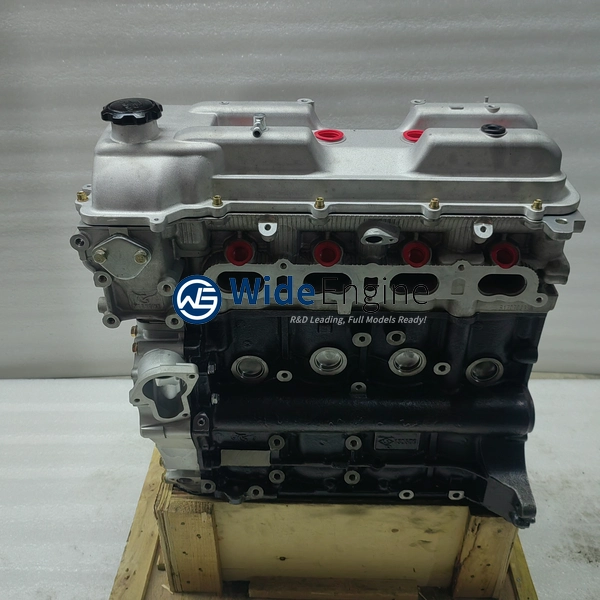
A long block is a partially completed engine. It covers the most critical internal components required for core function. It includes the cylinder block, crankshaft, connecting rods, pistons, camshaft, cylinder head, and valve train. These parts form the mechanical heart of the system.
A long block is missing external bolt-on components. It does not come with intake systems, exhaust manifolds, turbochargers, alternators, throttle bodies, sensors, fuel injectors, or mounting brackets. It also does not include wiring harnesses or ECU hardware.
Shops that choose a long block must move these external components from the original engine. This work takes time. It also requires a thorough inspection process because worn accessories can transfer problems to the new long block. Shops do this to control cost or to reuse parts that are still within service limits.
Why a Long Block Works for Many Shops
Many shops prefer a long block in cases where the engine experienced a single failure in the bottom end or top end. The shop can reuse most surrounding components. This lowers replacement cost for the end customer. It also reduces waste because many external parts still have service life.
A long block is also useful when a shop wants to maintain OEM accessory compatibility. Some external components vary by model year or regional calibration. Reusing the original accessories ensures proper fitment with no surprises during installation.
Mechanical Advantages of a Long Block
A long block provides a clean mechanical baseline. It offers a fresh internal structure with balanced rotating parts, sealed combustion chambers, and stable compression. The rebuilt or remanufactured long block eliminates internal wear. It also removes variables associated with fuel wash, coolant intrusion, and lubrication breakdown.
This helps the shop solve internal engine failures such as:
- crankshaft scoring
- piston ring wear
- excessive cylinder taper
- cam lobe wear
- valve train damage
- blown head gasket conditions
- thermal distortion
A long block solves these issues while leaving the final configuration and bolt-ons to the shop.
Understanding an Engine Assembly
An engine assembly is a more complete unit. It is sometimes called a “complete engine,” but the exact definition varies by supplier. A standard engine assembly includes everything in a long block plus external bolt-on parts. It often includes the intake manifold, throttle body, injectors, fuel rail, water pump, and many sensors. Some assemblies include the turbocharger. Some go further and include the exhaust manifold and accessory brackets.
The goal of an engine assembly is to reduce installation labor. The unit arrives preconfigured. The shop performs fewer transfers. Many shops choose an engine assembly when the original engine suffered a catastrophic failure that damaged many external parts.
Why an Engine Assembly Is Preferred in High-Risk Jobs
Some failures destroy more than the internal components. Hydro-lock, severe overheating, and lubrication loss often damage sensors, manifolds, and other bolt-on systems. Reusing these parts is not ideal. Installing an engine assembly bypasses these issues. The shop installs one unit and performs basic connections.
The engine assembly also reduces troubleshooting time. Faulty sensors and mismatched components cause performance issues. Assembly units reduce these risks because the components are already matched and tested for compatibility.
Mechanical Advantages of an Engine Assembly
The engine assembly gives a near plug-and-play replacement. It reduces unknown variables. It lowers the chance of installation errors. It helps new technicians maintain consistent repair quality. It also helps high-volume shops manage throughput because the installation is more predictable.
Engine Assembly vs Long Block: Technical Breakdown
A direct comparison of long block vs engine assembly helps clarify when each option makes sense.
Component Coverage
The long block covers the internal engine group. The engine assembly covers the larger functional system. This is the most significant difference. Shops must assess how much of the original engine is still usable before choosing.
Installation Time
A long block takes more labor. The shop removes each bolt-on part from the old engine and installs it on the long block. The engine assembly reduces this process because the parts are already in place. This difference matters in high-volume repair environments.
Risk Management
A long block requires the shop to check all external components. Any sensor, injector, or manifold with hidden damage can cause problems later. An engine assembly lowers this risk because these parts come preinstalled.
Cost Structure
Long blocks cost less. Engine assemblies cost more. The gap reflects the number of components included and the labor saved. Repair shops often evaluate the total installed cost rather than the unit price.
Diagnostic Complexity
If the original engine had unclear electrical issues, an engine assembly provides a cleaner baseline. If the shop is confident that external components are healthy, a long block is a practical choice.
Learn more about the difference between long block and complete engine, please visit https://www.weengineparts.com/products-news/what-makes-a-long-block-different-from-a-complete-engine/
When to Choose a Long Block
A long block is the better option when the damage is internal and isolated. It is suitable for:
- engines with bearing wear
- engines with low compression due to cylinder damage
- engines that failed due to oil breakdown
- engines with valvetrain issues
- engines with failed head gaskets
In these cases, most external parts remain functional.
A long block also works well for fleet maintenance. Fleets often track component life and prefer to reuse parts that match the vehicle’s calibration. This keeps repair costs predictable.
Shops that specialize in brand-specific repairs also prefer long blocks because they can configure the engine to match the exact year, trim, and ECU calibration.
Leanr more about when long block replacement is needed, please visit https://www.weengineparts.com/industry-news/critical-signs-pointing-toward-needed-long-block-replacement/
When to Choose an Engine Assembly
An engine assembly becomes the right choice when the original engine suffered a severe failure. It is suitable for:
- overheating that warped external parts
- hydro-lock that bent rods and damaged sensors
- fire damage
- oil starvation with metal debris in accessories
- heavy carbon intrusion that affected the intake system
An engine assembly avoids transferring problems.
High-volume shops choose assemblies when they want to reduce installation time and avoid rework. Assemblies help improve job predictability and customer satisfaction because fewer components can fail after installation.
Application Considerations for Repair Shops
Selecting between engine assembly and long block is not just a technical decision. Shops also consider workflow, technician skill, parts availability, and customer cost expectations.
Labor Skill Level
Experienced technicians can reuse components safely. Less experienced technicians benefit from engine assemblies because the installation has fewer steps.
Parts Availability
Some vehicles have long lead times for sensors or manifolds. An engine assembly solves this issue. A long block is better when parts availability is strong.
Time Constraints
Shops that operate under strict deadlines choose engine assemblies. Shops with flexible schedules may choose long blocks to reduce cost.
Vehicle Condition
Older vehicles with many worn components benefit from assemblies. Newer vehicles with a single failure event benefit from long blocks.
Reliability Expectations
Both long blocks and engine assemblies can deliver strong reliability when sourced from a reputable supplier. The reliability difference is not in the structure. It is in the control of external components. Assemblies reduce variables. Long blocks rely on the shop’s inspection and reuse process.
The internal engine structure performs the same in both formats if the manufacturing quality is equal.
Best Practices for Choosing Between Long Block and Engine Assembly
- Evaluate the original engine’s external components.
- Inspect all sensors before transferring them.
- Check the intake system and fuel system for hidden damage.
- Confirm that the replacement engine matches the vehicle’s calibration.
- Review the job cost as a full installation, not only the purchase price.
- Consider technician expertise and shop workflow.
Conclusion
The difference between a long block and an engine assembly is clear. The long block delivers a renewed internal engine core. The engine assembly provides a more complete solution with fewer installation variables. Each option serves a specific purpose. Shops achieve the best results when they match their choice to the failure condition, parts availability, technician skill, and project timeline.
The comparison of engine assembly vs long block helps repair shops make informed decisions that lead to stable performance and predictable outcomes.
About WideEngine
WideEngine supplies long blocks and short blocks for the replacement market. We work with repair shops that want OEM-level quality and flexible order quantities. Our products support consistent performance and reliable installation across a wide range of vehicle platforms. We focus on stability, precision, and practical solutions for professional engine rebuilders and service centers.



