






A cylinder head serves as a vital part of any internal combustion engine. It covers the top of the cylinders and helps seal the combustion chamber.
This component shapes how air and fuel enter the engine and how exhaust gases exit. Understanding its functions supports engine reliability and engine durability. Cylinder head design can boost efficiency and power.

What Is a Cylinder Head?
Cylinder Head Definition
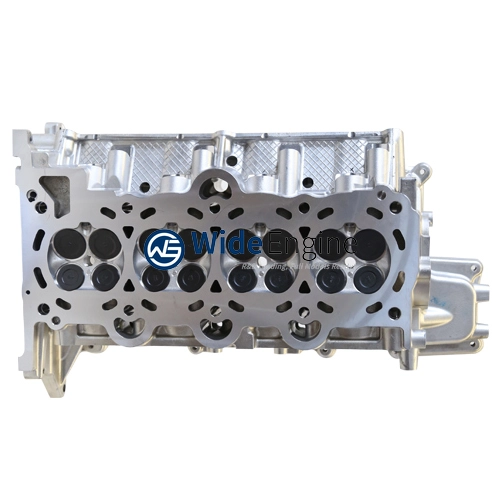
A cylinder head is a solid metal component that sits on top of the engine block. It forms the upper part of the combustion chamber in an internal combustion engine. Most cylinder heads are made from aluminum or cast iron. The design of the cylinder head affects how the engine works and how much power it can produce.
The cylinder head contains passages for air and fuel to enter the engine. It also has channels for coolant and oil. These features help keep the engine cool and lubricated. The surface of the cylinder head must be smooth to create a tight seal with the engine block.
Role in Engine Operation
The engine cylinder head plays a key role in engine performance. It seals the top of the cylinders, which keeps the combustion chamber airtight. This seal is important for creating the pressure needed to burn fuel efficiently.
Here are some main roles of the cylinder head in engine operation:
- Directs Air and Fuel: Guides the air and fuel mixture into the combustion chamber.
- Manages Exhaust Gases: Allows exhaust gases to exit after combustion.
- Houses Valves and Spark Plugs: Holds the valves that open and close for air and fuel flow, and the spark plugs that ignite the mixture.
- Supports Cooling and Lubrication: Contains passages for coolant and oil to prevent overheating and reduce friction.
A well-designed cylinder head improves engine efficiency and power. It also helps the engine run smoothly and reliably.
Main Functions of Cylinder Heads
Sealing the Combustion Chamber
Sealing the combustion chamber is one of the most important functions of cylinder head. The cylinder head sits on top of the engine block and creates a tight seal over the cylinders. This seal keeps the air and fuel mixture inside the combustion chamber during compression and ignition. When the seal is strong, the engine cylinder head helps the engine produce more power and run smoothly.
A good seal prevents leaks of gases and fluids. If the seal fails, the engine loses pressure, which can cause poor performance and damage. Sealing the combustion chamber also protects other engine parts from heat and pressure. Complete cylinder heads are designed to keep the combustion chamber airtight, which improves efficiency and reliability.
Air and Fuel Flow Control
The cylinder head controls how air and fuel enter the combustion chamber. It has passages called intake ports that guide air and fuel into the engine. The shape and size of these ports affect how much air and fuel reach the cylinders. More air and fuel can mean more power.
Valves inside the cylinder head open and close at the right time to let air and fuel in. This timing is important for the functions of the engine head. If the flow is smooth and well-controlled, the engine burns fuel better and uses less energy. Poor flow control can lead to rough running and lower fuel efficiency.
A table below shows how air and fuel flow control impacts engine performance:
| Air & Fuel Flow | Engine Effect |
|---|---|
| Smooth | High power, efficiency |
| Restricted | Low power, rough idle |
Exhaust Gas Management
After combustion, exhaust gases need to leave the engine quickly. The cylinder head has exhaust ports that guide these gases out of the combustion chamber. This process keeps the engine cool and prevents damage from high temperatures.
Exhaust valves in the cylinder head open to let gases escape. If exhaust gas management works well, the engine stays clean and runs better. Poor exhaust flow can cause overheating and reduce engine life. The design of the cylinder head helps control how fast and efficiently gases exit the engine.
Housing Valves and Injectors
The cylinder head houses important parts like valves, injectors, and spark plugs. Valves control when air, fuel, and exhaust gases move in and out of the combustion chamber. Injectors spray fuel into the chamber for burning. Spark plugs create the spark needed for compression and ignition.
These parts must fit tightly in the cylinder head to work well. If valves or injectors fail, the engine may misfire or lose power. The cylinder head keeps these parts in place and helps them work together. Complete cylinder heads include all these components for best performance.
The functions of cylinder head are vital for every internal combustion engine. By sealing the combustion chamber, controlling air and fuel flow, managing exhaust gases, and housing key parts, the cylinder head supports engine power, efficiency, and reliability.
Functions in Performance
Improving Combustion Efficiency
The cylinder head plays a major role in improving the efficiency of the combustion chamber. It shapes the space where fuel and air mix, which helps optimize combustion.
When the mixture burns completely, the engine uses less fuel and produces more power. The design of the cylinder head allows air to flow smoothly into the combustion chamber. This smooth flow helps the engine burn fuel more evenly.
Valves inside the cylinder head open and close at precise times. This timing lets the right amount of air and fuel enter the combustion chamber. Spark plugs ignite the mixture, starting the process that powers the car.
Efficient combustion means less wasted energy and lower emissions. The cylinder head also helps keep the temperature steady, which protects engine parts and supports efficiency.
A table below shows how combustion efficiency affects engine performance:
| Combustion Efficiency | Fuel Use | Power Output | Emissions |
|---|---|---|---|
| High | Low | High | Low |
| Low | High | Low | High |
Enhancing Power Output
The cylinder head directly impacts the performance of the engine by enhancing power output. It controls how much air and fuel reach the combustion chamber. More air and fuel allow the engine to produce more power. The shape and size of the cylinder head influence how quickly gases move in and out.
Efficient cylinder head design increases engine performance. It helps the engine run smoothly at different speeds. Good airflow and precise timing of valves lead to better efficiency and more power. The cylinder head also supports strong compression, which is needed for high power output.
Importance of the Head Gasket
Sealing and Preventing Leaks
The cylinder head gasket sits between the engine block and the cylinder head. Its main job is to seal the combustion chamber. This seal keeps the air and fuel mixture inside, allowing the engine to build pressure for power. The head gasket also keeps coolant and oil from mixing. If the seal breaks, fluids can leak into places where they do not belong.
A strong head gasket helps prevent leaks that can damage the engine. When coolant leaks, the engine can overheat. Oil leaks can cause parts to wear out faster. The importance of the head gasket becomes clear when you see how it protects the engine from costly repairs.
Here is a simple table showing what happens when the head gasket fails:
| Problem | Possible Effect |
|---|---|
| Coolant Leak | Engine overheating |
| Oil Leak | Poor lubrication |
| Gas Leak | Loss of power |
Protecting Engine Cylinder Head
The head gasket does more than just seal. It protects the cylinder head and other engine parts. By keeping fluids separate, it stops corrosion and buildup inside the engine. The head gasket also helps spark plugs work well by keeping the combustion chamber airtight.
A good head gasket keeps the cylinder head safe from heat and pressure. It acts as a barrier, stopping damage before it starts. Mechanics check the head gasket during regular service because it is vital for engine health.
- The head gasket keeps oil, coolant, and gases in their proper places.
- It helps the engine run smoothly and last longer.
Key Components in Engine Cylinder Head
Valves and Springs
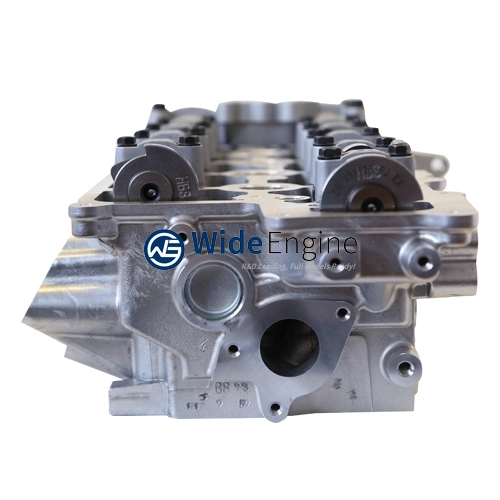
Valves and springs are essential parts inside the cylinder head. The intake valve lets air and fuel enter the combustion chamber. The exhaust valve allows burned gases to leave after combustion. Each valve opens and closes at the right time to keep the engine running smoothly. Springs help the valves return to their closed position quickly.
The intake valve works with the intake and exhaust ducts to guide air and fuel into the chamber. The exhaust valve uses ducts to move gases out. These ducts must be clean and free of blockages. If the exhaust valve does not open or close properly, the engine may lose power or run rough.
A table below shows the main functions of each valve:
| Valve Type | Main Function |
|---|---|
| Intake valve | Brings air and fuel in |
| Exhaust valve | Removes burned gases |
Springs keep the intake valve and exhaust valve working correctly. They help prevent leaks and ensure the combustion process is efficient. The cylinder head holds all these parts in place.
Coolant and Oil Passages
Coolant and oil passages are important for cooling and lubrication. These passages run through the cylinder head. Coolant flows through ducts to absorb heat from the engine. Oil travels in separate ducts to reduce friction between moving parts.
The intake and exhaust ducts also help control temperature. If coolant or oil ducts become blocked, the engine can overheat or wear out faster. The exhaust valve relies on proper cooling to avoid damage from high temperatures.
Spark plugs sit near these passages. They ignite the air and fuel mixture. Good cooling and lubrication keep spark plugs working well. The cylinder head design ensures that coolant and oil reach every part that needs protection.
Common Issues and Maintenance
Signs of Cylinder Head Problems
Drivers should watch for several signs that may indicate trouble with the cylinder head. White smoke coming from the exhaust often points to a leak in the head gasket. Loss of compression can cause the engine to run rough or lose power.
Engine overheating is another warning that something is wrong. Coolant or oil leaking onto the ground may signal a problem inside the engine. Misfiring spark plugs can also mean the cylinder head is not working properly.
Here is a table showing common signs and what they might mean:
| Signs | Possible Cause |
|---|---|
| White exhaust smoke | Head gasket leak |
| Loss of compression | Cylinder head damage |
| Engine overheating | Coolant passage blockage |
| Oil or coolant leaks | Gasket failure |
| Misfiring spark plugs | Valve or head issue |
Maintenance Tips
Regular maintenance helps keep the cylinder head in good condition. Check coolant and oil levels every month. Clean spark plugs and replace them if they show wear. Inspect the head gasket for leaks during routine service. Mechanics should test for loss of compression to catch problems early. Flush the cooling system once a year to prevent engine overheating. Use high-quality oil and coolant to protect engine parts.
Follow these maintenance steps:
- Check fluid levels often.
- Replace spark plugs when needed.
- Inspect for leaks during service.
- Test for loss of compression.
- Flush coolant system yearly.
- Use recommended fluids.
Conclusion
The cylinder head supports engine power, efficiency, and reliability. Regular checks help prevent costly damage. Watch for signs like misfiring spark plugs or leaks. New cylinder head designs improve fuel use and reduce emissions. Early detection and proper care keep your car running smoothly.



