






The difference between crankshaft and camshaft lies in their unique roles within an engine. The crankshaft converts the up-and-down motion of the pistons into rotational force. The camshaft controls the opening and closing of the engine’s valves.
Understanding these parts helps improve performance and aids in maintenance. Engine reliability depends on recognizing how each part works and spotting early signs of trouble.
Knowing these differences makes diagnosing engine problems easier and helps prevent costly repairs.
Crankshaft Overview
What Is a Crankshaft?
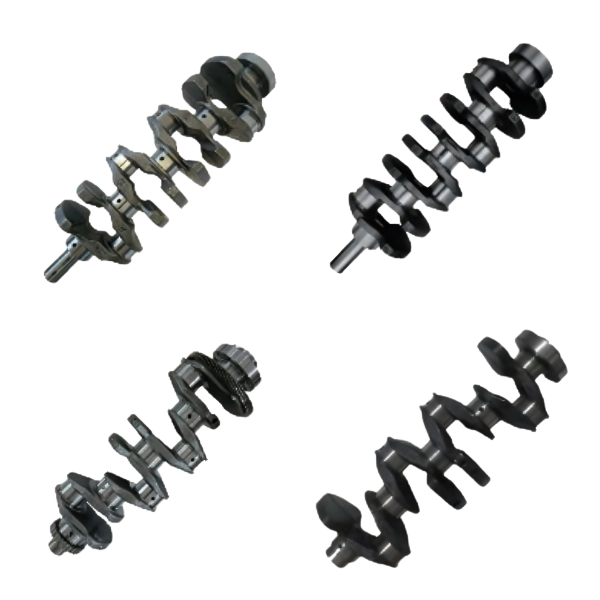
A crankshaft is a key part of an engine. It is a long, heavy metal shaft with several arms and counterweights. The crankshaft connects to the pistons through rods. When the pistons move up and down, the crankshaft turns this motion into rotation.
This rotation powers the vehicle’s wheels and other systems. The crankshaft must be strong because it handles a lot of force and stress.
The crankshaft is essential for turning the energy from combustion into movement. Without it, the engine cannot produce power.
Crankshaft Location in the Engine
The crankshaft sits at the bottom of the engine block. It is housed inside a special area called the crankcase. The crankshaft is surrounded by bearings that help it spin smoothly. The pistons are above the crankshaft, and they connect to it with rods.
The crankshaft is also linked to other parts, such as the flywheel and the timing mechanism. This location allows the crankshaft to receive direct force from the pistons.
Here is a simple table showing the crankshaft’s position:
| Component | Location in Engine |
|---|---|
| Crankshaft | Bottom (crankcase) |
| Pistons | Above crankshaft |
| Camshaft | Top (cylinder head) |
Crankshaft Function and Role
The crankshaft’s main job is to convert the up-and-down motion of the pistons into rotational power. This process answers the question, how does a crankshaft work. When fuel burns in the engine, it pushes the pistons down.
The pistons move the crankshaft, which then spins. This spinning motion is sent to the transmission and wheels. The crankshaft also helps control the timing of other parts, such as the camshaft.
The crankshaft is influenced by piston movement. Each piston pushes on the crankshaft at different times. The crankshaft must stay balanced to avoid vibration and damage. The difference between crankshaft and camshaft is clear in their roles. The crankshaft creates rotation, while the camshaft controls valve timing.
- Crankshaft converts piston motion to rotation.
- Crankshaft sits at the bottom of the engine.
- Crankshaft receives force from pistons and sends power to wheels.
Tip: Listen for knocking or vibration from the engine. These signs may point to crankshaft problems.
Camshaft Overview
What Is a Camshaft?
A camshaft is a long metal shaft found in every engine. It has several oval-shaped lobes, called cams, along its length. The camshaft rotates and pushes against parts called lifters or followers. This action opens and closes the engine’s valves.
The camshaft controls when air and fuel enter the cylinders and when exhaust gases leave. The function of the camshaft is to manage the timing of these events. This timing is important for the engine to run smoothly and efficiently.
The camshaft acts like a conductor in an orchestra, making sure each valve opens and closes at the right moment.
Camshaft Location in the Engine
The camshaft sits near the top of the engine. It is usually placed in the cylinder head, above the pistons and crankshaft. Some engines have more than one camshaft, depending on the design. The camshaft connects to the crankshaft through a timing belt or chain.
This connection keeps the camshaft turning at the correct speed. The camshaft’s position allows it to directly control the valves, which are also located in the cylinder head.
Here is a simple table showing the camshaft’s location:
| Component | Location in Engine |
|---|---|
| Camshaft | Top (cylinder head) |
| Crankshaft | Bottom (crankcase) |
| Valves | Top (near camshaft) |
Camshaft Function and Role
The camshaft’s main job is to operate the engine’s valves. Each cam lobe pushes a valve open as the shaft turns. When the lobe moves away, the valve closes. This process answers the question, how does a camshaft work.
The camshaft must be timed perfectly with the crankshaft. If the timing is off, the engine will not run well. Proper timing ensures that air and fuel enter the cylinders at the right time and exhaust gases exit after combustion.
The difference between crankshaft and camshaft becomes clear when looking at their roles. The crankshaft creates rotation from piston movement, while the camshaft controls valve timing. Both parts must work together for the engine to function correctly.
- Camshaft controls the opening and closing of valves.
- Camshaft sits at the top of the engine.
- Camshaft connects to the crankshaft for proper timing.
Tip: If the engine misfires or runs rough, the camshaft may have timing issues. Early detection can prevent further damage.

Difference Between Crankshaft and Camshaft
Function Comparison
The difference between crankshaft and camshaft starts with their main jobs in the engine. Each part has a unique role that helps the engine run smoothly.
- The crankshaft changes the up-and-down movement of the pistons into spinning motion. This spinning motion powers the wheels and other parts of the vehicle.
- The camshaft controls when the engine’s valves open and close. It makes sure air and fuel enter the cylinders at the right time and exhaust gases leave after combustion.
The difference between crankshaft and camshaft is clear: one creates rotation, while the other manages timing.
A simple table shows how their functions compare:
| Part | Main Function |
|---|---|
| Crankshaft | Converts piston motion to rotation |
| Camshaft | Controls valve timing |
Understanding how does a crankshaft work helps explain why it is so important. The crankshaft takes the force from the pistons and turns it into movement that drives the vehicle. The camshaft, on the other hand, acts like a timer for the valves.
Location Comparison
The difference between crankshaft and camshaft also appears in their positions inside the engine.
- The crankshaft sits at the bottom of the engine, inside the crankcase.
- The camshaft is found at the top of the engine, usually in the cylinder head.
This layout allows each part to connect with the components it controls. The crankshaft links to the pistons, while the camshaft connects to the valves.
| Part | Location in Engine |
|---|---|
| Crankshaft | Bottom (crankcase) |
| Camshaft | Top (cylinder head) |
Tip: If you know where each part is located, you can better understand engine problems and repairs.
Material and Construction
The difference between crankshaft and camshaft includes the materials used to make them and how they are built.
- Crankshafts are made from strong metals, such as forged steel or cast iron. They must handle high pressure and force from the pistons.
- Camshafts are also made from tough metals, but they focus on smooth surfaces for the cams. These surfaces must resist wear because they touch the valve lifters many times every second.
The construction of each part matches its job in the engine. Crankshafts have counterweights and journals to balance the spinning motion. Camshafts have lobes shaped to open and close the valves at the right time.
The difference between camshafts and crankshafts in material and design helps each part last longer and work better.
Purpose in Engine Operation
The crankshaft and camshaft each play a unique role in the engine. Their purposes are different, but both are essential for proper engine function.
The crankshaft serves as the main driver of movement. It takes the force from the pistons and turns it into rotation. This rotation moves the vehicle forward. The crankshaft also helps keep the engine balanced and stable.
The camshaft controls the timing of the valves. It makes sure air and fuel enter the cylinders at the right moment. It also ensures exhaust gases leave after combustion. The camshaft must work in sync with the crankshaft. This timing is critical for smooth engine operation.
Here is a table that shows how a camshaft is different from a crankshaft in their purpose:
| Component | Purpose in Engine Operation |
|---|---|
| Crankshaft | Converts piston force to rotation; drives movement |
| Camshaft | Controls valve timing; manages air and exhaust flow |
- The crankshaft creates the motion needed for the vehicle to move.
- The camshaft manages the timing of the valves for efficient combustion.
Proper synchronization between crankshaft and camshaft is vital. If the timing is off, the engine may lose power or run poorly.
Understanding how does a camshaft work helps explain its importance. The camshaft opens and closes the valves at precise moments. This action allows the engine to breathe and release exhaust. Without the camshaft, the engine would not run efficiently.
BUY CRANKSHAFT AND CAMSHAFT HERE
How Do Camshafts and Crankshafts Work Together
Engine Synchronization
The camshaft and crankshaft must move in harmony for the engine to run well. Synchronization means that both parts turn at the right speed and in the correct order. The crankshaft spins as the pistons move up and down. The camshaft rotates to open and close the valves at the right moments.
If these parts do not stay in sync, the engine can lose power or stop working. The answer to how do camshafts and crankshafts work together starts with this careful timing. Each rotation of the crankshaft matches with the movement of the camshaft. This balance keeps the engine running smoothly and prevents damage.
Note: Proper synchronization helps avoid engine misfires and keeps all moving parts safe.
Timing Belt or Chain Connection
A timing belt or chain connects the crankshaft and camshaft. This belt or chain makes sure both parts turn together at the right speed. The crankshaft usually turns twice for every one turn of the camshaft. The timing belt or chain has teeth or links that fit into grooves on both shafts.
This design keeps the parts locked in step. If the belt or chain breaks, the engine can stop suddenly. In some cases, the pistons and valves can hit each other and cause serious damage. Regular checks of the timing belt or chain are important for engine health.
Here is a simple table showing the connection:
| Part | Connected By | Purpose |
|---|---|---|
| Crankshaft | Timing belt/chain | Drives camshaft |
| Camshaft | Timing belt/chain | Controls valve timing |
Tip: Listen for ticking or rattling noises from the engine. These sounds can mean the timing belt or chain needs attention.
Importance for Combustion
Combustion is the process that creates power in the engine. For combustion to happen, air and fuel must enter the cylinder at the right time. The exhaust gases must also leave at the correct moment. The camshaft opens and closes the valves, while the crankshaft moves the pistons.
When asking how do camshafts and crankshafts work together, the answer lies in their teamwork during combustion. The crankshaft sets the pace, and the camshaft follows with precise valve movements. This teamwork allows the engine to produce power, run efficiently, and avoid damage.
- The crankshaft controls piston movement.
- The camshaft manages valve timing.
- Both must work together for proper combustion.
Callout: If the timing is off, the engine may lose power, run rough, or even fail to start.
Common Issues and Symptoms
Crankshaft Problems
Crankshaft problems can cause serious trouble for any vehicle. A damaged crankshaft may lead to loud knocking noises from the lower part of the engine. Drivers might notice strong vibrations while the vehicle is running.
Sometimes, the engine will not start at all if the crankshaft is broken. Oil leaks near the crankcase can also point to crankshaft issues. In some cases, the check warning light may turn on.
Common symptoms of crankshaft problems:
- Knocking or thumping sounds from the engine
- Strong vibrations felt inside the vehicle
- Oil leaks under the engine area
- Difficulty starting the engine or failure to start
Tip: If you hear unusual noises or feel shaking, it is important to check the crankshaft as soon as possible.
Camshaft Problems
Camshaft problems often affect how the engine runs. When the camshaft wears out or breaks, the engine may misfire or run roughly. The vehicle might lose power, especially when trying to speed up.
Sometimes, the engine will stall or hesitate during driving. Ticking or tapping sounds from the top of the engine can also signal camshaft trouble. In some cases, the warning light will turn on.
Typical signs of camshaft problems:
- Engine misfires or runs unevenly
- Loss of power during acceleration
- Ticking or tapping noises from the top of the engine
- Engine stalls or hesitates
Note: Early detection of camshaft issues can prevent further damage to the engine.
Effects on Engine Performance
Problems with the crankshaft or camshaft can lead to poor engine performance. If the crankshaft fails, the engine may stop working completely. A damaged camshaft can cause the engine to run rough, lose power, or use more fuel. Both parts must work together for the engine to run smoothly.
Ignoring these symptoms can lead to costly repairs or even total engine failure.
| Problem Area | Possible Effect on Engine Performance |
|---|---|
| Crankshaft | Engine will not start, strong vibrations |
| Camshaft | Misfires, loss of power, rough running |
Callout: Regular checks and early repairs help keep the engine healthy and prevent bigger problems.
Maintenance and Replacement Tips
Routine Checks
Regular inspection helps keep crankshafts and camshafts in good condition. Start by listening for unusual noises from the engine. Knocking, ticking, or tapping sounds can signal problems.
Check for oil leaks under the vehicle, especially near the crankcase or cylinder head. Look for warning lights on the dashboard. These lights often show early signs of trouble.
Use a flashlight to inspect the area around the timing belt or chain. Cracks, fraying, or looseness mean the belt or chain may need attention. If possible, check the oil level and quality. Dirty or low oil can cause extra wear on both the crankshaft and camshaft. Write down any changes you notice during each check.
Tip: Make a checklist for each inspection. This helps you remember what to look for and spot issues early.
When to Replace
Replacement becomes necessary when damage or wear is found. If the crankshaft has deep cracks, heavy scoring, or cannot spin smoothly, it should be replaced. Camshafts need replacement if the lobes are worn down or if the shaft is bent. Mechanics often use special tools to measure wear, but you can look for visible signs.
A timing belt or chain that is stretched, cracked, or missing teeth should be replaced right away. Delaying replacement can lead to serious engine damage. If the engine will not start, runs rough, or makes loud noises, consider a professional inspection. Early replacement prevents bigger problems and keeps the vehicle safe.
| Part | Signs Replacement Is Needed |
|---|---|
| Crankshaft | Cracks, scoring, rough rotation |
| Camshaft | Worn lobes, bent shaft, rough idle |
| Timing Belt | Cracks, missing teeth, looseness |
Preventive Maintenance
Preventive steps extend the life of crankshafts and camshafts. Change the oil and filter at regular intervals. Clean oil reduces friction and removes harmful particles. Use the correct type of oil for your vehicle. Keep the cooling system in good shape to prevent overheating.
Follow the maintenance schedule in your vehicle’s manual. Replace the timing belt or chain as recommended. Avoid hard acceleration and sudden stops, as these put extra stress on engine parts. Store the vehicle in a dry place to prevent rust and corrosion.
Callout: Small steps, like regular oil changes and gentle driving, protect the engine and reduce repair costs.
A little care goes a long way. Routine checks, timely replacement, and preventive maintenance keep the engine running smoothly and help avoid expensive repairs.
Conclusion
Crankshafts and camshafts have different roles in the car engine. The crankshaft changes piston movement into rotation. The camshaft controls when the valves open and close. Knowing these differences helps keep the engine running well.
- Check for unusual sounds or performance changes.
- Follow maintenance steps to avoid costly repairs.
Regular care of these parts supports strong engine performance.



