






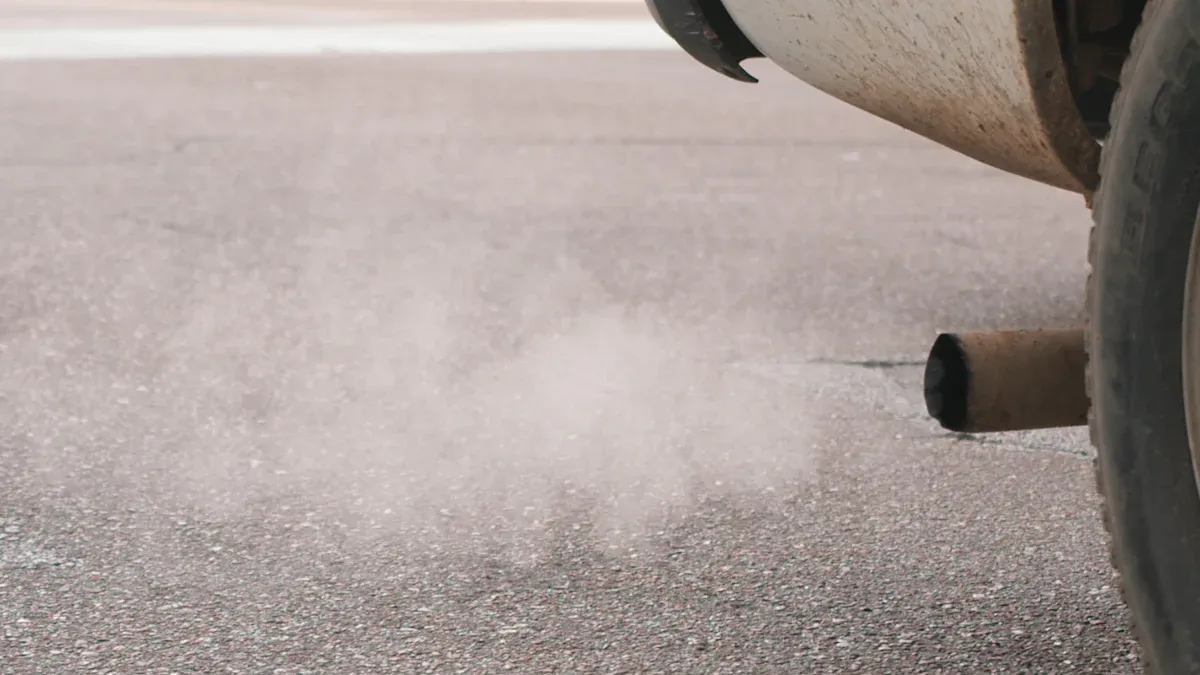
Consistent smoke from a diesel engine signals trouble. Diesel engine smoke can reveal important clues about engine health. Early diagnosis helps reduce repair costs and prevents damage. Diesel Engine Smoke Colors guide owners to spot problems faster. Regular maintenance keeps diesel engines running smoothly. Mechanics recommend checking for changes in smoke color. Smoke often points to issues that need attention. Owners should seek early diagnosis and schedule professional inspections when smoke persists.
Tip: Regular maintenance and prompt action protect diesel engines from costly repairs.
What Diesel Engine Smoke Colors Mean
Why Smoke Color Matters
Diesel engine smoke colors provide valuable clues about engine health. Each color signals a different type of problem. Mechanics use smoke color to identify issues quickly. Owners who understand smoke colors can spot trouble early. Early detection helps prevent expensive repairs.
The color of smoke from a diesel engine often points to specific problems. Black smoke usually means too much fuel or poor combustion. White smoke often signals coolant or water entering the combustion chamber. Blue smoke suggests oil is burning with the fuel. These colors help diagnose engine problems before they get worse.
Note: Paying attention to smoke color can save time and money. Quick action keeps diesel engines running longer.
Common Causes of Diesel Smoke
Many factors can cause diesel engine smoke. The most common causes of diesel smoke include problems with fuel, air, or oil. Mechanics often check these areas first when they see unusual smoke colors.
Below is a table showing the main diesel engine smoke colors and what they generally indicate:
| Smoke Color | What It Indicates | Possible Causes |
|---|---|---|
| Black | Excess fuel, poor combustion | Faulty injectors, clogged air filter |
| White | Coolant or water in combustion | Leaking head gasket, cold start |
| Blue | Oil burning with fuel | Worn piston rings, valve seals |
Diesel engines rely on clean fuel and proper air flow. Dirty fuel or blocked filters often lead to black smoke. White smoke can appear when coolant leaks into the combustion chamber. Blue smoke shows up when oil mixes with fuel during combustion.
Owners should watch for changes in smoke colors. Consistent smoke signals a problem that needs attention. Mechanics recommend checking fuel quality and engine parts regularly.
Tip: Regular inspection of fuel systems and air filters helps prevent smoke problems.
Diesel engine smoke colors act as an early warning system. Recognizing these colors helps owners and mechanics diagnose issues faster. Understanding common causes of diesel smoke leads to better engine care.
Black Smoke Causes & Diagnosis
Common Causes of Black Smoke
Black smoke signals serious problems in a diesel engine. Mechanics often see black smoke when the engine burns too much fuel. Faulty injectors cause black smoke by sending extra fuel into the cylinders. Dirty air filters block airflow and lead to black smoke. Mechanics also find that worn piston rings or valves can cause black smoke. Injector problems often result in black smoke because the engine cannot burn fuel properly. Black smoke can also appear when the engine uses poor-quality fuel.
Tip: Black smoke often means the engine needs repairs soon. Ignoring black smoke can lead to bigger problems.
How to Diagnose Black Smoke
Diagnosis starts with a close look at the engine. Mechanics check the air filter for dirt and blockages. They inspect injectors for leaks or damage. Mechanics also test the fuel system for fuel injector problems. They listen for unusual engine sounds that may point to injector problems. Mechanics use diagnostic tools to measure black smoke levels. They compare black smoke output to normal engine operation.
Repair Tips for Black Smoke
Repair begins with cleaning or replacing the air filter. Mechanics fix faulty injectors to stop black smoke. They use special tools to clean injectors and remove blockages. Mechanics replace worn parts that cause black smoke. They check the fuel system for leaks and repair any damage. Mechanics use high-quality fuel to prevent black smoke from returning. Regular repairs keep black smoke away and protect the engine.
When to Get Professional Help
Some black smoke problems need expert engine repairs. If black smoke continues after basic repairs, owners should call a professional. Mechanics have tools to find hidden injector problems. They can fix fuel injector problems that cause black smoke. Professional repairs stop black smoke and prevent engine damage.
Note: Quick diagnosis and repair of black smoke problems save money and keep the diesel engine running strong.
White Smoke Causes & Diagnosis
Common Causes of White Smoke
White smoke often appears when diesel engines face specific problems. Mechanics see white smoke during cold starts, especially in low temperatures. White smoke can signal coolant leaking into the combustion chamber. Sometimes, white smoke points to water mixing with fuel. Oil burning also creates white smoke in some cases. Mechanics check for damaged head gaskets, cracked cylinder heads, or faulty injectors when white smoke shows up. White smoke may also result from incomplete combustion or poor fuel quality.
Alert: White smoke that lasts after the engine warms up usually means serious problems.
How to Diagnose White Smoke
Technicians start by observing the color and thickness of the smoke. They check if white smoke appears only during startup or continues as the engine runs. Mechanics inspect the coolant level and look for drops that suggest leaks. They examine the fuel system for water contamination. Mechanics also test for oil burning by checking for oil in the exhaust. A compression test helps find internal engine problems that cause white smoke.
Checklist for Diagnosing White Smoke:
- Observe when white smoke appears
- Check coolant level and look for leaks
- Inspect fuel for water contamination
- Test for oil burning in the exhaust
- Perform a compression test
Repair Tips for White Smoke
Mechanics repair white smoke by fixing the root cause. They replace damaged head gaskets to stop coolant leaks. Cleaning or replacing injectors helps prevent white smoke from poor fuel combustion. Mechanics drain and refill the fuel tank if water contamination causes white smoke. They repair or replace parts that lead to oil burning. Using high-quality fuel reduces the risk of white smoke. Regular engine maintenance keeps white smoke away.
Tip: Quick repairs prevent further engine damage and reduce white smoke.
When to Get Professional Help
Persistent white smoke signals problems that need expert attention. If white smoke continues after basic repairs, owners should contact a professional. Mechanics use advanced tools to find hidden leaks and diagnose oil burning. Professional repairs ensure the engine runs smoothly and white smoke disappears.
Note: Ignoring white smoke can lead to costly engine repairs. Seek help when white smoke does not go away.
Blue Smoke Causes & Diagnosis
Common Causes of Blue Smoke
Blue smoke signals a specific problem in diesel engines. Mechanics often see blue smoke when oil enters the combustion chamber. Worn piston rings allow oil to slip past and mix with fuel. Damaged valve seals also let oil leak into the cylinders. Turbocharger failure can push oil into the intake, causing blue smoke. Old engines with high mileage show blue smoke more often. Mechanics know that blue smoke means oil burns along with fuel, which creates a distinct blue color in the exhaust.
Alert: Blue smoke that appears during acceleration or startup often points to worn engine parts.
How to Diagnose Blue Smoke
Technicians use several steps to diagnose blue smoke. They first observe when blue smoke appears. Blue smoke during startup suggests valve seal problems. Blue smoke under load often means piston rings have worn out. Mechanics check oil levels and look for rapid drops. They inspect spark plugs for oily residue. A compression test helps find worn engine components. Mechanics also examine the turbocharger for oil leaks. They use these clues to pinpoint the source of blue smoke.
Quick Diagnostic Checklist for Blue Smoke:
- Watch for blue smoke during startup or acceleration
- Check oil level and consumption rate
- Inspect spark plugs for oil deposits
- Perform a compression test
- Examine turbocharger for oil leaks
Repair Tips for Blue Smoke
Mechanics repair blue smoke by replacing worn piston rings and valve seals. They fix turbochargers that leak oil. Mechanics clean the intake system to remove oil buildup. Regular oil changes help prevent blue smoke. Using high-quality oil reduces the chance of blue smoke returning. Mechanics recommend checking engine parts for wear during routine maintenance. Prompt repairs keep blue smoke from damaging the engine.
Tip: Addressing blue smoke early prevents costly engine repairs and keeps diesel engines running smoothly.
When to Get Professional Help
Persistent blue smoke needs expert attention. If blue smoke continues after basic repairs, owners should contact a professional. Mechanics use advanced tools to find hidden oil leaks. They replace major engine components when needed. Professional repairs ensure blue smoke disappears and the engine stays healthy.
Note: Ignoring blue smoke can lead to serious engine damage. Seek help if blue smoke does not stop.
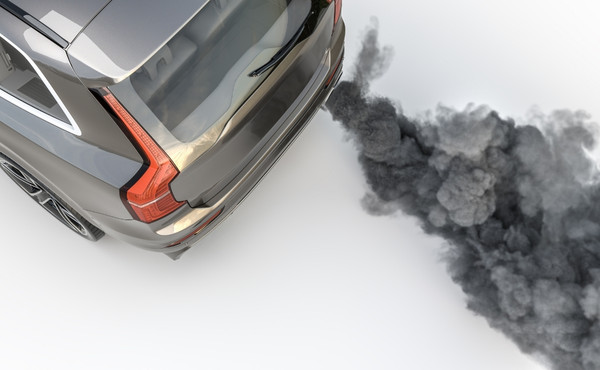
How to Diagnose Diesel Smoke Quickly
Diesel owners can spot problems early by learning how to diagnose diesel smoke quickly. Fast checks help prevent bigger issues and keep engines running well. When smoke appears, drivers should not ignore it. They should look for warning signs right away.
Dashboard Warning Lights
Modern diesel vehicles use dashboard warning lights to alert drivers. These lights often turn on when the engine detects a problem. A check engine light or a glow plug warning can signal trouble.
If a warning light appears with smoke, the driver should take action. Reading the vehicle’s manual helps explain what each light means. Ignoring these lights can lead to more smoke and engine damage.
Tip: Always pay attention to dashboard lights. They often warn about engine problems before they get worse.
Unusual Engine Noises
Strange noises often come with smoke. Knocking, rattling, or hissing sounds can point to engine trouble. Mechanics listen for these noises during diagnosis.
A loud engine may mean a fuel or air problem. If smoke and noise happen together, the issue could be serious. Drivers should note when the noise starts and if it changes as the engine warms up.
Other Warning Signs
Other signs can help diagnose smoke problems. Drivers may notice a loss of power, rough idling, or poor acceleration. Unusual smells, like burning oil or coolant, often appear with smoke.
Mechanics check for leaks under the vehicle. They also look for changes in fuel or oil levels. These clues help find the cause of smoke before it leads to major repairs.
Alert: Persistent smoke means the engine needs attention. Quick checks and early action protect the diesel engine from costly damage.
Preventive Maintenance for Diesel Engine Smoke
Regular Inspection Tips
Regular inspections help keep diesel engines in good condition. Mechanics recommend checking the engine at least once a month. They look for leaks, loose connections, and worn parts.
Owners can use a checklist to make sure they do not miss important steps. A simple inspection includes looking at belts, hoses, and fluid levels.
Mechanics also suggest listening for strange noises during startup. Early detection of problems can prevent diesel smoke and save money on repairs.
Tip: Keeping a maintenance log helps track inspection dates and repairs.
Importance of Air Filter and Fuel Quality
A clean air filter allows the engine to breathe well. Dirty filters block airflow and cause poor performance.
Mechanics replace air filters every 10,000 to 15,000 miles. They also check for dust and debris around the filter housing. Good air quality helps the engine run smoothly.
High-quality fuel protects the diesel engine from damage. Mechanics advise buying fuel from trusted stations.
Contaminated fuel can lead to clogged injectors and poor combustion. Clean fuel reduces the risk of engine problems and helps prevent diesel smoke.
Keeping the Exhaust System Clean
A clean exhaust system removes harmful gases from the engine. Mechanics inspect the exhaust for rust, holes, or blockages. They clean soot buildup from the tailpipe and muffler.
Regular cleaning keeps the exhaust working well. Mechanics also check for unusual smells or loud noises from the exhaust. These signs may point to hidden problems.
Note: A well-maintained exhaust system helps the engine last longer and reduces pollution.
Regular maintenance protects diesel engines and helps prevent diesel smoke. Simple steps like inspections, clean air filters, and a clear exhaust system keep engines running strong.
Conclusion
Understanding diesel engine smoke colors helps owners detect problems early. Quick diagnosis and repair protect the diesel engine from major damage.
Regular maintenance keeps the engine running well. Mechanics recommend following inspection tips and seeking expert help when needed.
Consistent smoke should never be ignored. Staying alert to changes in a diesel engine ensures long life and reliable performance.



