






Car engines found in today’s auto market vary widely, and each type affects how a vehicle performs, consumes fuel, and handles daily use. Modern buyers often compare gasoline, diesel, hybrid, and electric systems to match their driving needs. These engines deliver different levels of power, efficiency, and maintenance demands. Understanding their core differences helps businesses, repair shops, and fleet operators choose suitable solutions. This overview highlights the main types of car engines and the factors that set them apart.

Main Types of Car Engines
Gasoline Engines
Gasoline engines remain the most common type found in cars today. These engines use spark plugs to ignite a mixture of air and gasoline, which creates power. Gasoline engines offer smooth acceleration and perform well in a wide range of driving conditions.
Drivers often choose gasoline engines for their reliability and ease of maintenance. These engines tend to produce less noise compared to other types. Many manufacturers design gasoline engines to balance power and fuel efficiency.
Gasoline engines come in many sizes and configurations. Some engines use advanced technology to improve fuel efficiency and reduce emissions. Engineers continue to develop new systems that make gasoline engines cleaner and more efficient.
Diesel Engines
Diesel engines use compression to ignite fuel instead of spark plugs. These engines operate at higher pressures, which helps them achieve better fuel efficiency. Diesel engines produce more torque, making them ideal for heavy vehicles and towing.
Many drivers select diesel engines for their durability and long lifespan. These engines often deliver higher fuel efficiency than gasoline engines. Diesel engines can travel longer distances on less fuel.
Diesel engines tend to emit more nitrogen oxides and particulates. Engineers work to reduce these emissions with new technologies. Some modern diesel engines now meet strict environmental standards.
Hybrid Engines
Hybrid engines combine a gasoline or diesel engine with one or more electric motors. These engines switch between power sources to maximize fuel efficiency. Hybrid engines store energy in batteries and use it to assist the main engine.
Drivers appreciate hybrid engines for their ability to reduce fuel consumption. These engines often operate in electric mode at low speeds, which saves fuel. Hybrid engines also recover energy during braking and store it for later use.
Hybrid engines have gained popularity in recent years. Many buyers choose hybrid engines for their improved fuel efficiency and lower emissions. Engineers continue to enhance hybrid engines with better batteries and smarter control systems.
Electric Engines
Electric engines use batteries to power electric motors. These engines do not require gasoline or diesel fuel. Electric engines produce zero tailpipe emissions and operate quietly.
Drivers who use electric engines enjoy instant torque and smooth acceleration. These engines require less maintenance because they have fewer moving parts. Electric engines offer high fuel efficiency since they convert most energy into motion.
Electric engines have become more popular as battery technology improves. Many cities support electric engines with charging stations and incentives. Engineers work to increase the range and charging speed of electric engines.
Note: Hybrid and electric engines have seen rapid growth in the auto market. Many buyers now prefer these engines for their fuel efficiency and environmental benefits.
| Engine Type | Power Source | Key Benefit | Fuel Efficiency |
|---|---|---|---|
| Gasoline | Gasoline | Smooth performance | Moderate |
| Diesel | Diesel | High torque | High |
| Hybrid | Gasoline/Diesel + Electric | Lower emissions | Very High |
| Electric | Battery | Zero emissions | Highest |
Engine Layouts and Configurations
Engine configuration plays a key role in how a car performs. The layout of an engine affects power delivery, space under the hood, and the driving experience. Many buyers look at engine configuration when choosing a car.
Inline Engines
Inline engines place all cylinders in a straight line. This engine configuration is common in small and midsize cars. Inline engines offer a simple design that makes them easy to maintain. Many mechanics prefer inline engines because they have fewer parts. Inline engines often fit well in compact engine bays.
Drivers notice that inline engines run smoothly and quietly. Inline engines can have four, five, or six cylinders. Inline engines with four cylinders are very popular for fuel efficiency. Inline engines with six cylinders give more power but still save space. Inline engines also help balance the car, which improves handling. Inline engines remain a top choice for many car makers.
V Engines
V-engines use a different engine configuration. The cylinders sit in two rows that form a “V” shape. V-engines allow more cylinders in a smaller space. Many sports cars and trucks use v-engines for this reason. V-engines can have six, eight, or even twelve cylinders. A V6 engine gives a good mix of power and efficiency. A V8 engine offers strong acceleration and towing ability. V-engines often sound more powerful than inline engines. Drivers who want performance often choose v-engines.
Flat Engines
Flat engines, also called boxer engines, use a unique engine configuration. The cylinders lie flat and face away from each other. This design lowers the car’s center of gravity. Flat engines help cars handle better in corners. Many sports cars use flat engines for this reason. Flat engines also reduce engine vibration. Some drivers like the smooth feel of flat engines.
Rotary Engines
Rotary engines use a different engine configuration from the others. These engines do not use pistons. Instead, a spinning rotor creates power. Rotary engines are small and light. This engine configuration saves space and weight. Rotary engines can rev very high and deliver smooth power. Few cars use rotary engines today, but they remain important in engine history.
Note: The choice of engine configuration affects how a car feels on the road. Inline engines, v-engines, flat engines, and rotary engines each offer unique benefits. Cylinder arrangements like V6 or V8 change how much power and smoothness the engine provides.
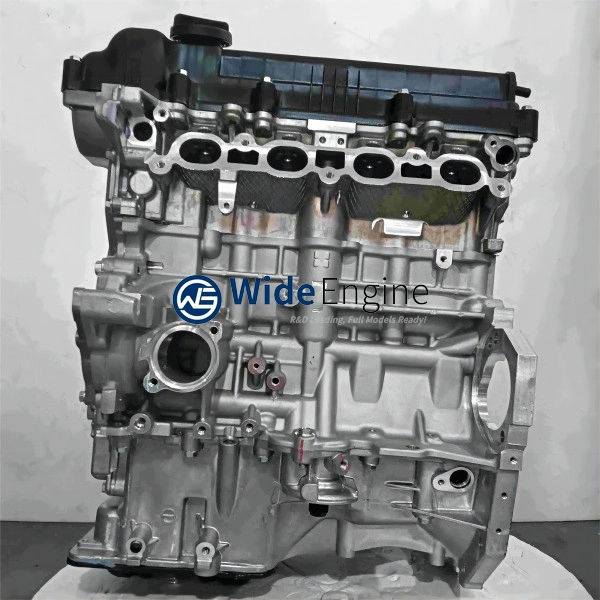
Engine Technologies and Performance
VVT and GDI Engines
Variable Valve Timing (VVT) changes how the engine opens and closes its valves. This technology helps the engine use fuel more efficiently and improves performance at different speeds. VVT allows the engine to deliver more power when needed and better fuel economy during normal driving.
Gasoline Direct Injection (GDI) sends fuel directly into the engine’s combustion chamber. This process increases power output and reduces fuel use. GDI engines often provide high performance with lower emissions.
Note: VVT and GDI both help engines balance power and efficiency. These technologies make modern engines more responsive and cleaner.
Turbocharged and Supercharged Engines
Turbocharged engines use exhaust gases to spin a turbine. This turbine pushes more air into the engine, which increases power. Turbocharged engines often deliver high performance without needing a larger engine size.
Supercharged engines use a belt driven by the engine to force more air into the cylinders. This setup gives instant power and strong acceleration. Supercharged engines are common in high performance cars that need quick power delivery.
Both turbocharged engines and supercharged engines boost power output. They help smaller engines achieve the performance of larger ones. Many drivers choose these engines for their strong power and exciting driving experience.
| Technology | How It Works | Benefit |
|---|---|---|
| Turbocharged | Uses exhaust gases | More power, efficiency |
| Supercharged | Uses engine-driven belt | Instant power, speed |
Engine Size and Displacement
Engine size, also called displacement, measures the total volume inside all cylinders. Larger displacement usually means more power and higher performance. Smaller engines often use turbocharged or supercharged engines to match the power of bigger engines.
High performance cars often have engines with large displacement for maximum power output. Smaller engines can still deliver high performance when paired with modern technologies. Engine size affects fuel use, power, and overall performance.
Tip: Drivers should consider how much power they need. A larger engine may offer more power, but a smaller engine with turbocharged or supercharged engines can provide similar performance with better efficiency.
Choosing the Right Engine Type
Pros and Cons of Engine Types
Car buyers face many engine options in the market. Each engine type offers unique benefits and drawbacks. Gasoline engines provide smooth driving and easy maintenance. They suit most daily driving needs but may use more fuel than other choices. Diesel engines deliver high torque and better fuel efficiency. They work well for towing and long trips. Some diesel engines produce more emissions, which can affect the environment.
Hybrid engines combine electric motors with gasoline or diesel power. They reduce fuel use and emissions. Hybrid engines cost more upfront but save money over time. Electric engines offer quiet operation and zero tailpipe emissions. They require charging and may have limited range. Electric engines need less maintenance because they have fewer moving parts.
| Engine Type | Pros | Cons |
|---|---|---|
| Gasoline | Smooth, reliable | Lower fuel efficiency |
| Diesel | High torque, efficient | More emissions |
| Hybrid | Saves fuel, low emissions | Higher initial cost |
| Electric | Quiet, zero emissions | Range, charging required |
Matching Engine Types to Driving Needs
Drivers should match engine options to their lifestyle. People who drive mostly in cities may prefer hybrid or electric engines. These engines help save fuel and reduce pollution. Those who travel long distances or tow heavy loads may choose diesel engines. Diesel engines offer strong pulling power and better fuel economy.
Sports cars often use gasoline engines or turbocharged engines for quick acceleration. Performance car buyers look for engines that deliver speed and excitement. Families may select hybrid engines for daily commutes and errands. Electric engines suit drivers who want quiet rides and low running costs.
Tip: Buyers should consider how far they drive, their budget, and the type of car they want. Engine options affect fuel costs, maintenance, and driving experience. Research helps buyers find the best engine for their needs.
Conclusion
- Gasoline, diesel, hybrid, and electric engines each offer unique benefits.
- Engine layouts like inline, V, flat, and rotary change how a car handles and performs.
- Technologies such as VVT, GDI, turbocharging, and supercharging improve power and efficiency.
Buyers should match engine type to their driving habits and consider future trends. Knowledge of engines helps people choose cars that fit their needs. Confidence grows when buyers understand their options.



