






The crankshaft changes the up-and-down movement of pistons into the spinning motion that turns a vehicle’s wheels. This part stands at the center of engine power delivery.
Anyone who wants to care for engines or understand vehicle maintenance benefits from knowing how the crankshaft works.
What is a crankshaft?

Crankshaft definition
A crankshaft is a main part inside an engine. It looks like a long metal shaft with several arms and rounded sections. The crankshaft connects to the pistons through rods.
When the pistons move up and down, the crankshaft turns this movement into a spinning motion. This spinning motion helps power the vehicle’s wheels and other systems.
The crankshaft acts as the bridge between the pistons and the rest of the engine. It takes the straight movement from the pistons and changes it into rotation. This process allows the engine to deliver power smoothly and efficiently.
Here are some key facts about the crankshaft:
- It is made from strong metal to handle high forces.
- It has several sections called journals and crankpins.
- It must stay balanced to avoid engine damage.
Engine placement
Engine designers place the crankshaft at the bottom of the engine block. The crankshaft sits inside a special area called the crankcase. Pistons move up and down above the crankshaft.
Connecting rods link the pistons to the crankshaft. As the engine runs, the crankshaft spins inside the crankcase.
Most engines use bearings to support the crankshaft. These bearings help the crankshaft turn smoothly. The crankshaft also connects to other parts, such as the flywheel and timing gears. This placement allows the crankshaft to transfer power from the engine to the transmission and wheels.
Proper placement of the crankshaft ensures that the engine runs smoothly and lasts longer.
Crankshaft function in engines
Motion conversion
The crankshaft plays a key part in changing the movement inside an engine. Pistons move up and down when fuel burns in the cylinders. The crankshaft connects to these pistons with rods. As each piston pushes down, the crankshaft turns this straight motion into a spinning motion. This spinning motion drives the vehicle’s wheels and other systems.
The answer to “how does a crankshaft work” lies in this process. The crankshaft uses its arms and rounded sections to grab the force from the pistons and turn it into rotation. This action allows the engine to send power where it is needed.
Torque generation
Torque means the twisting force that helps a vehicle move. The crankshaft creates torque as it spins. When pistons push down, they make the crankshaft turn.
The shape and size of the crankshaft affect how much torque the engine can make. A longer arm on the crankshaft gives more leverage, which increases torque.
The crankshaft sends this torque to the transmission. The transmission then passes it to the wheels. This process lets the vehicle speed up, slow down, or climb hills. The crankshaft must stay strong and balanced to handle the high forces during this process.
- The crankshaft’s ability to generate torque is one of the main roles of the crankshaft in any engine.
- A well-designed crankshaft helps the engine run smoothly and deliver steady power.
Multi-cylinder operation
Most engines use more than one cylinder. The crankshaft connects to all the pistons in these cylinders. Each piston moves at a different time. The crankshaft takes the force from each piston and combines it into one smooth spinning motion.
This setup helps the engine run without shaking. The crankshaft’s design spaces out the power strokes from each piston. This spacing keeps the engine balanced and reduces wear. The crankshaft also makes sure that power flows evenly to the transmission and wheels.
In summary, the crankshaft acts as the heart of the engine’s power system. It changes motion, creates torque, and keeps multi-cylinder engines running smoothly.
Crankshaft design and materials
Key components
A crankshaft contains several important parts that help it do its job. The main parts include:
- Main journals: These round sections support the crankshaft inside the engine block.
- Crankpins: These connect to the connecting rods from the pistons.
- Counterweights: These help balance the crankshaft as it spins.
- Oil passages: These small holes allow oil to flow and keep the moving parts smooth.
Each part works together to turn the up-and-down motion of the pistons into a steady spinning motion.
Material selection
Engineers choose strong materials for crankshafts because they must handle high pressure and heat. Most crankshafts use forged steel or cast iron. Forged steel gives extra strength and lasts longer.
Cast iron costs less and works well in smaller engines. Some high-performance engines use special alloys for even more strength.
Choosing the right material helps the crankshaft resist bending and breaking during engine operation.
Balance and precision
A crankshaft must stay balanced to keep the engine running smoothly. If it wobbles or shakes, the engine can wear out faster. Engineers add counterweights and use machines to check the balance. They also make sure each part of the crankshaft has the right shape and size. Precision in design and balance helps the engine last longer and perform better.
- A well-balanced crankshaft reduces vibration.
- Precision in manufacturing leads to better engine performance.
- Regular checks help keep the crankshaft in good condition.
Crankshaft structure and operation
Structural components
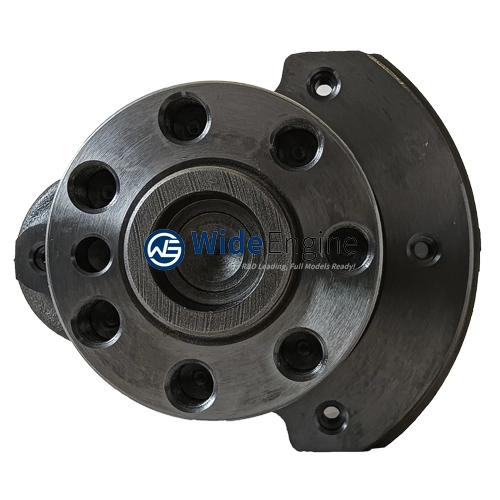
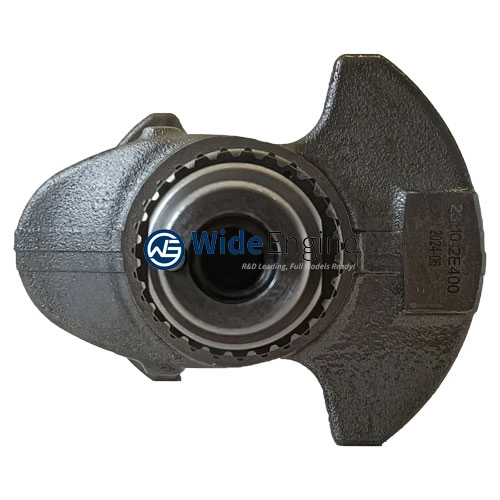
A crankshaft contains several main parts that work together to keep the engine running. The main journals support the crankshaft inside the engine block. Crankpins connect to the connecting rods, which link the pistons to the crankshaft. Counterweights help balance the spinning motion and reduce vibration. Oil passages allow engine oil to flow through the crankshaft, keeping all moving parts smooth and cool.
Each part of the crankshaft has a specific job. Main journals hold the crankshaft in place. Crankpins transfer force from the pistons. Counterweights keep the engine balanced. Oil passages protect the crankshaft from wear.
The table below shows the main components and their functions:
| Component | Function |
|---|---|
| Main journals | Support and hold the crankshaft |
| Crankpins | Connect to rods and transfer piston force |
| Counterweights | Balance the spinning motion |
| Oil passages | Allow oil flow for cooling and lubrication |
How the crankshaft operates
The crankshaft operates by turning the up-and-down movement of the pistons into a spinning motion. When fuel burns in the cylinder, the piston moves down.
The connecting rod pushes on the crankpin, causing the crankshaft to rotate. As the crankshaft turns, it pulls the next piston up for another cycle.
Here is a step-by-step look at how the crankshaft works in an engine:
- The piston moves down after fuel burns.
- The connecting rod pushes on the crankpin.
- The crankshaft rotates and pulls the next piston up.
- Counterweights keep the motion smooth and balanced.
- Oil flows through passages to cool and protect the crankshaft.
The crankshaft repeats this process for each piston in the engine. This action creates a steady spinning motion that powers the vehicle. Engineers design the crankshaft to handle high forces and keep the engine running smoothly.
A well-designed crankshaft helps the engine deliver power without shaking or wearing out quickly.
Conclusion
The crankshaft stands at the center of every engine’s power system. It keeps the engine running smoothly and helps deliver reliable performance. Regular checks help spot signs of a crankshaft problem early.
- Understanding how this part works gives drivers an advantage in caring for their vehicles.
- Knowledge of the crankshaft supports better troubleshooting and maintenance.
Paying attention to crankshaft health leads to longer engine life and fewer breakdowns.



